

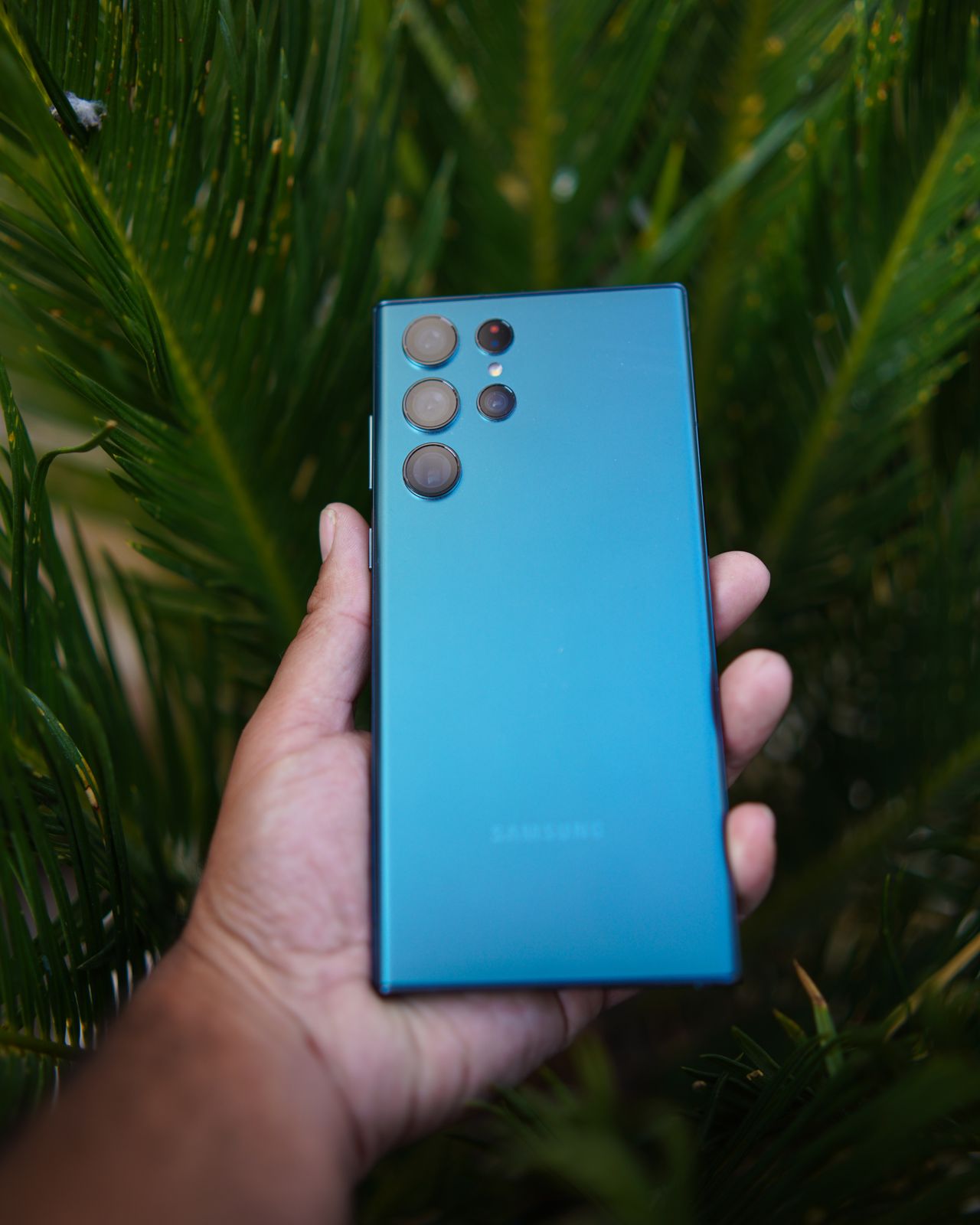
Samsung Galaxy S23 Ultra review
Samsung Galaxy S23 Ultra Review: The Ultimate Heavyweight Android
The Samsung Galaxy S23 Ultra represents the peak of smartphone excess. By packing in every conceivable feature—from an embedded stylus to a 200-megapixel camera sensor—Samsung has built a device meant for power users who refuse to compromise. While its massive size and premium price tag will give casual buyers pause, it remains a benchmark for ultra-premium Android devices.
The Core Breakdown
| Attribute | Specification / Performance Measure |
| Processor | Qualcomm Snapdragon 8 Gen 2 for Galaxy (Overclocked to 3.36GHz) |
| Rear Cameras | 200MP Main + 12MP Ultra-Wide + 10MP (3x Telephoto) + 10MP (10x Telephoto) |
| Battery Life | 13 hours, 11 minutes (Looping video test) |
| Durability | IP68 dust/water resistance; Gorilla Glass Victus 2 |
| Starting Price | ~A$1,949 |
Pros & Cons
Form Factor: Premium, Polished, and Massive
- Pros: Phenomenal 200MP camera setup; elite Snapdragon performance; gorgeous, hyper-bright display; integrated S Pen utility; five-year security update roadmap.
- Cons: Extremely bulky and heavy; sharp corners poke into palms/pockets; top-tier pricing.
The Galaxy S23 Ultra carries forward the structural identity of the defunct Galaxy Note line. Measuring 6.43 by 3.07 by 0.35 inches and weighing in at a substantial 8.25 ounces, this is a giant phone. Dropping it into a standard pocket requires some effort, and adding a protective case only increases its substantial footprint.
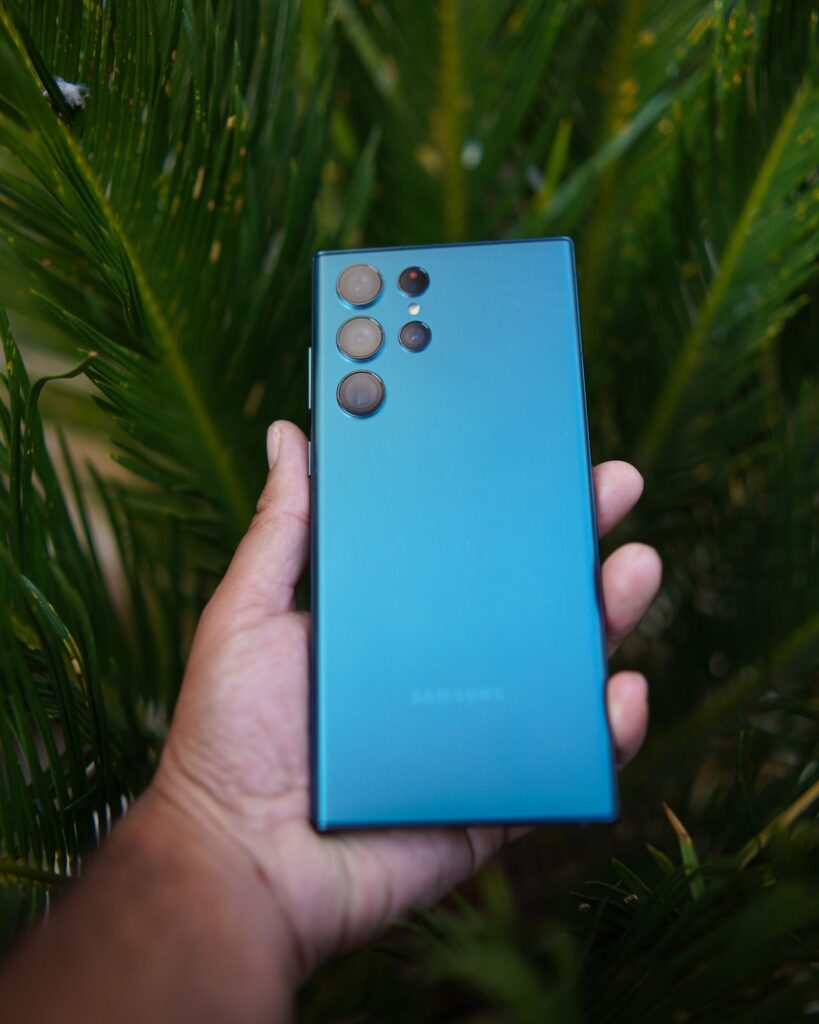
Samsung built the phone with an Armor Aluminum frame sandwiched between panels of Corning Gorilla Glass Victus 2. The rear glass features an elegant matte texture that resists fingerprints well. Addressing a major complaint from older models, Samsung reduced the dramatic curvature of the screen edge by 30%. This flatter design creates a much more secure grip and a larger usable area for the stylus, though the sharp, boxy corners can still feel a bit unergonomic during prolonged use.
An Elite Display
The front of the device is dominated by a 6.8-inch Dynamic AMOLED 2X panel featuring a crisp 3,088 by 1,440 resolution (501 pixels per inch). To balance fluid performance with battery consumption, the screen features an adaptive refresh rate that dynamically shifts anywhere from a battery-saving 1Hz up to a buttery-smooth 120Hz depending on your on-screen activity.
Outdoor visibility is excellent. The panel hits a peak brightness of 1,750 nits in direct sunlight. While this slightly trails the absolute peak brightness numbers of Apple’s top-tier Pro Max models, the practical difference is negligible—text and images remain perfectly readable even under harsh mid-day sun.
The S Pen Advantage
The built-in S Pen stylus is what truly isolates the Ultra from the smaller Galaxy S23+ and base S23 models. Tucked into the bottom-left edge of the chassis, a quick click pops the stylus free.
The software suite remains robust, supporting familiar tricks like translating text on the fly, snipping sections of web pages, or using the physical button on the side of the stylus as a remote camera shutter. For this generation, Samsung tightened its partnership with Google, allowing you to handwrite text directly into input fields across apps like Gmail and Google Maps without needing to pull up the digital keyboard.
Upgraded Silicon: Custom Snapdragon Speed
Instead of using a standard off-the-shelf chip, Samsung partnered with Qualcomm to implement a tailored Snapdragon 8 Gen 2 for Galaxy. This custom silicon boosts the primary CPU clock speed to 3.36GHz and pushes the integrated Adreno 740 graphics chip beyond standard specifications.
Combined with up to 12GB of LPDDR5x RAM and fast UFS 4.0 storage, the hardware handles heavy workloads effortlessly. Intensive gaming titles run smoothly at maximum graphic settings with no frame rate drops or performance stuttering.
On synthetic benchmarks like Geekbench 5, the S23 Ultra scores roughly 1,545 on single-core metrics and 5,078 on multi-core performance. This handily outperforms competing Android flagships, though Apple’s custom A-series chips maintain a slight lead in raw computational processing speeds.
Wireless and Battery Efficiency
The integration of the Snapdragon X70 modem ensures top-tier cellular and wireless reception, particularly on mid-band 5G spectrum layouts. Wi-Fi performance is equally strong; the phone supports Wi-Fi 6E and maintains high download speeds even when positioned at the outer edges of a home router’s range.
While the physical battery capacity remains unchanged from its predecessor at 5,000mAh, the more efficient 4-nanometer processor yields superior longevity. The device easily manages a day and a half of typical usage. Charging speeds top out at 45W via a wired connection, which replenishes the cell in roughly 70 minutes. Note that a power adapter is not included in the box.
A 200-Megapixel Camera Monster
The headline feature of the S23 Ultra is its 200MP main camera sensor, a significant pixel bump over the older 108MP modules. By default, the camera utilizes pixel binning—combining 16 pixels into 1 large super-pixel—to output crisp 12.5-megapixel photos that excel in low-light environments. Users can also unlock full 50MP or 200MP capture modes when shooting under ideal lighting to retain incredible cropping flexibility.
[Rear Camera Suite]
  ├── 200MP Main Sensor (f/1.7, OIS, Laser AF)
  ├── 12MP Ultra-Wide (f/2.2)
  ├── 10MP Telephoto (3x Optical Zoom, f/2.4)
  └── 10MP Periscope (10x Optical Zoom, f/4.9)
The optical image stabilization (OIS) system features an expanded physical movement range, making it much easier to snap blur-free photos with shaky hands. The secondary lenses offer unmatched versatility, particularly the 10x optical periscope lens which delivers clear shots at long distances where other phones rely entirely on digital cropping. For video creators, the main sensor records highly stable 4K video at 60fps in HDR, alongside ultra-high-resolution 8K video capture.
One UI Software Longevity
The device operates on Samsung’s One UI layer running over Android. While the interface is dense with features—ranging from complex automation routines to the desktop-like Samsung DeX environment—it is highly customizable.
Crucially, Samsung provides an industry-leading software commitment for this device: four generations of major Android operating system upgrades alongside five years of security patches. This long-term support adds substantial value and longevity to an otherwise expensive hardware investment.