

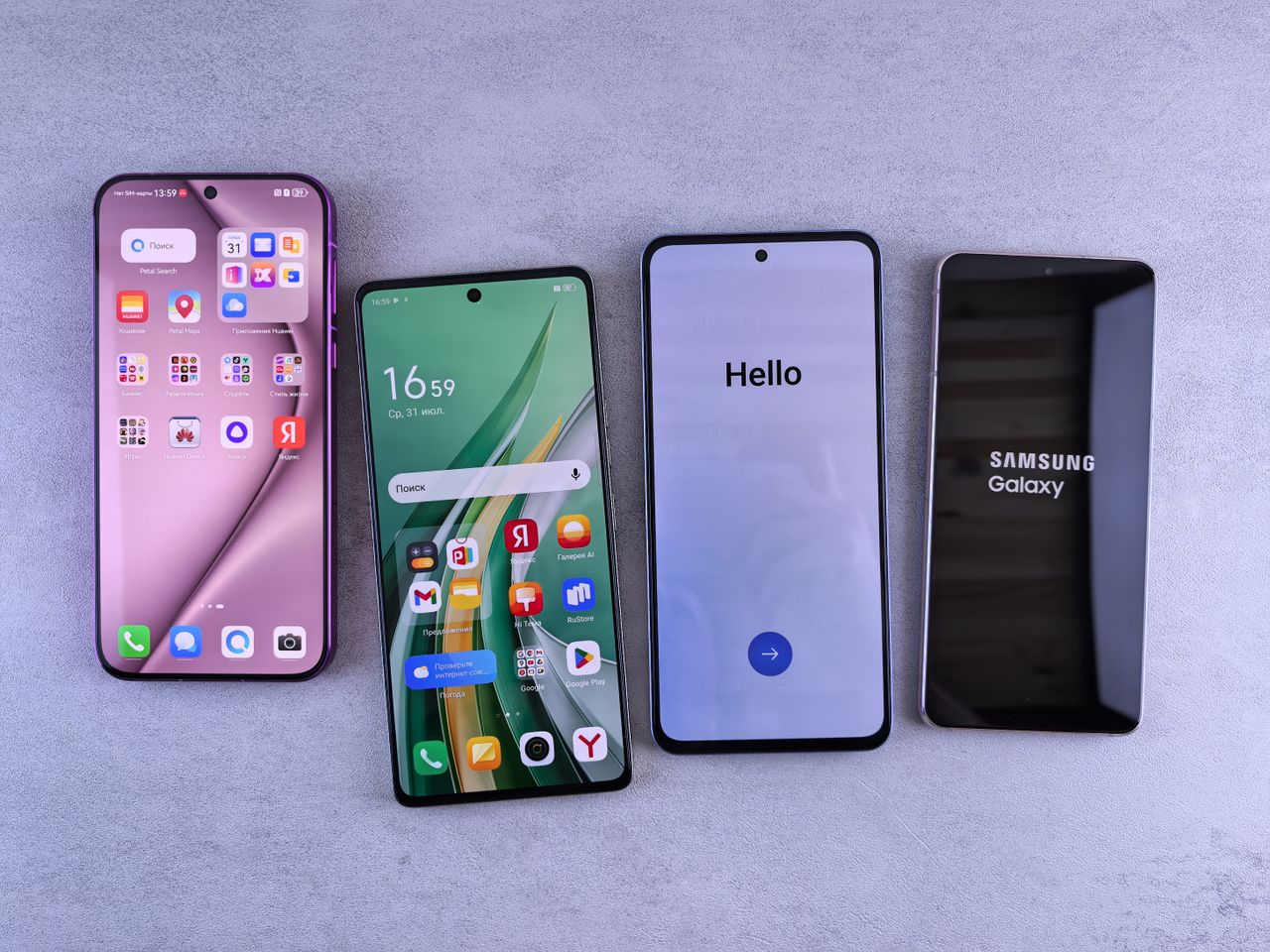
Samsung Galaxy S26 Ultra Review: A Powerhouse Phone for Creatives
In-Depth Review: The Samsung Galaxy S26 Ultra
Samsung’s premier smartphone, the Galaxy S26 Ultra (starting at $1,299.99), represents the brand’s most critical hardware release of the year. Aimed squarely at digital creators and power users, it brings sweeping changes to the lineup, including an integrated Privacy Display, an overhauled ergonomic aesthetic, improved multi-lens cameras, and highly targeted AI tools. While it introduces minor functional compromises, it stands out as a premier flagship pick.
At a Glance: Key Specifications
Table of Contents
| Feature | Specification |
| Operating System | Android 16 with OneUI 8.1 |
| Processor | Qualcomm Snapdragon 8 Elite Gen 5 for Galaxy |
| Display | 6.9-inch Dynamic AMOLED 2X ($3,120 \times 1,440$ pixels, 498ppi) |
| Protection | Armor Aluminum Frame, Corning Gorilla Armor 2 |
| Biometrics/Input | S Pen Stylus, Under-display Fingerprint |
Design: Ergonomic Refinement Meets a Unified Look
For several product cycles, Samsung’s Ultra line felt excessively geometric—essentially a sharp-cornered brick that dug into palms and pockets. The S26 Ultra fundamentally changes this footprint.
Softer Edges
The phone rounds off its four sharp corners, implementing a subtle curve that drastically improves hand-feel and pocketability. Furthermore, this adjustment establishes visual symmetry across the entire family; the Ultra now aligns perfectly with the aesthetic of the base S26 ($899.99) and S26+ ($1,099.99). They share identical color variants, highlighted by Black, Sky Blue, Cobalt Violet, and White.
Dimensions and Build
Measuring 6.44 by 3.07 by 0.31 inches and weighing 7.55 ounces, the S26 Ultra is undeniably massive, matching the heavy footprints of the iPhone 17 Pro Max (8.22 ounces) and the Pixel 10 Pro XL (8.18 ounces).
Samsung swapped out last year’s titanium chassis for its proprietary Armor Aluminum. The company notes that this metal maintains excellent structural integrity while improving structural recyclability, though it contributes to a slightly denser feel. Notably, only the Ultra benefits from Corning Gorilla Armor 2 screen protection, while the step-down models utilize standard Gorilla Armor. IP68 weather sealing remains standard across the entire lineup.
S Pen and Camera Housing Quirks
- The Stylus: The integrated S Pen operates exactly as it did in previous generations, lacking any new software capabilities. Bafflingly, the button cap sits slightly proud of the bottom rail instead of flush, leaving it vulnerable to accidental snags and spring ejections.
- The Camera Bump: The rear camera cluster is exceptionally thick. It houses four lenses, a flash array, and autofocus sensors. Because it protrudes so aggressively, the phone wobbles noticeably when tapped while lying flat on a desk, even with a protective case installed.
Display: Privacy Comes With Heavy Trade-Offs
The defining hardware development this year is the Privacy Display. The 6.9-inch panel contains a micro-layered physical privacy filter that obscures visibility unless viewed completely straight-on.
The Good: Users can adjust the filter intensity or isolate it strictly to the notification bar, preventing nearby onlookers from reading incoming text alerts and sensitive pop-ups.
The Bad: This security comes at the expense of pure panel quality. When compared directly to the S26 and S26+, the Ultra displays noticeably worse viewing angles even with the privacy setting deactivated; it shifts colors and dims the moment it is tilted. Furthermore, with privacy mode active, overall contrast drops, colors turn slightly muted, and the glass reflects ambient glare far more aggressively than the screen on last year’s Galaxy S25 Ultra.
Performance: Tailored Snapdragon Silicon
Every US variant of the S26 family runs a customized version of Qualcomm’s top-tier silicon: the Snapdragon 8 Elite Gen 5 for Galaxy, featuring an overclocked primary performance core.
Memory and Pricing Tiers
- S26 Ultra (12GB / 256GB): $1,299.99
- S26 Ultra (12GB / 512GB): $1,499.99
- S26 Ultra (16GB / 1TB): $1,799.99
In day-to-day use, this device flies through workloads. Over multiple weeks of testing heavy creative apps, 4K rendering, and multi-window multitasking, the device never choked. Synthetic benchmarks show it performance-matched with dedicated gaming phones, though versions capped at 12GB of RAM slightly trail 16GB competitors in heavy system-level benchmark tasks (like PCMark).
Battery Life: Conservative Capacities
While competitive brands are introducing ultra-dense 6,000mAh silicon-carbon batteries, Samsung has chosen a more conservative path, sticking with standard lithium-ion chemistry due to historical safety caution.
The Ultra houses a 5,000mAh cell that managed 15 hours and 5 minutes in a standard Wi-Fi video streaming test. While this represents a 50-minute improvement over the S25 Ultra, it is thoroughly outclassed by the iPhone 17 Pro Max, which achieved over 32 hours under the identical testing criteria.
Recharging Performance
- Wired Charging: Maxes out at 60W, juicing the phone from empty to full in roughly 60 minutes (charger sold separately).
- Wireless Charging: Supports 25W Qi2 charging. While it lacks native internal magnets like Apple’s MagSafe or Google’s Pixelsnap, it syncs perfectly with magnetized magnetic alignments if you purchase a third-party Qi2-compatible case.
Camera: Specialized Tools for Mobile Creators
The camera hardware remains the single biggest reason to purchase the Ultra variant over its smaller siblings.
[200MP Main f/1.4] ---> [50MP Ultrawide f/1.9] ---> [50MP 5x Zoom f/2.9] ---> [10MP 3x Zoom f/2.4]
Samsung focuses heavily on wider apertures this year. The primary 200MP sensor features an $f/1.4$ lens that pulls in roughly 47% more light than the S25 Ultra, while the 5x optical telephoto sensor receives a 38% brightness improvement.
Real-World Photo Performance
Still imagery captured from 0.6x out to 10x magnification looks phenomenal, featuring sharp edge details, balanced exposures, and minimal color over-saturation. Beyond 10x zoom, textures gradually lose clarity; tracking between 30x and 100x digital zoom results in heavily smoothed, watercolor-like images.
The 12MP front-facing portrait camera is less consistent. Wider-angle selfies occasionally suffer from soft focus and minor facial distortion, though skin tone reproduction remains highly accurate.
- Pros & Cons
- Superb performance
- Long battery life
- Vibrant screen
- Roomy 256GB base storage
- Camera takes sharp photos
- MagSafe charging
- Limited camera system
- Older Bluetooth and Wi-Fi radios
- Why We Picked It
- Who It’s For
- Specs & Configurations
Advanced Video and Stabilization
The phone serves as a powerhouse for mobile videography. It captures video up to 8K at 30fps, utilizing oversampling across the massive 200MP sensor to handle tracking and shake correction.
- Horizon Lock: This feature lets creators physically rotate the phone a full 360 degrees mid-shot while keeping the horizon line perfectly locked in place without a physical gimbal.
- Professional Workflows: Like dedicated cinema rigs, the Ultra supports shooting in Log, utilizing high-bitrate professional codecs, and recording video files straight to an external storage drive via the USB-C 3.2 port.
Software: Targeted Creative AI
The S26 Ultra runs Android 16 covered by Samsung’s OneUI 8.1 layer. Crucially, Samsung guarantees a full seven years of OS upgrades and security updates, ensuring excellent device longevity.
Rather than generic chat implementations, the built-in Galaxy AI centers on concrete productivity workflows:
- Photo Assist & Creative Studio: Users can modify complex image elements using natural speech or typed text prompts (e.g., instructing the software to change a clothing item’s color or delete an object entirely). It can also take rough hand-drawn finger sketches and convert them into clean, stylized graphics.
- Document Scan: The document scanning tool uses background AI processing to completely flatten page distortions and remove shadows from captured paperwork.
- Now Nudge & Now Brief: These context-aware services scan your messages, schedules, and emails locally. They supply proactive reminder cards—such as suggesting you finalize a dinner plan mentioned in a chat thread or creating an automated briefing ahead of an upcoming meeting.
Final Thoughts: The Premium Choice
The Samsung Galaxy S26 Ultra represents a highly capable flagship smartphone for productivity-focused users and mobile artists. It strikes a great balance between processing power, professional video tools, and robust localized security features.
While its specialized screen filter compromises raw outdoor viewing angles and the battery lifespan trails behind Apple’s latest offerings, its creative utility remains unmatched. If you are updating from an older device like the Galaxy S24 Ultra, the ergonomics, raw performance gains, and video stabilization make it a highly worthwhile upgrade.