

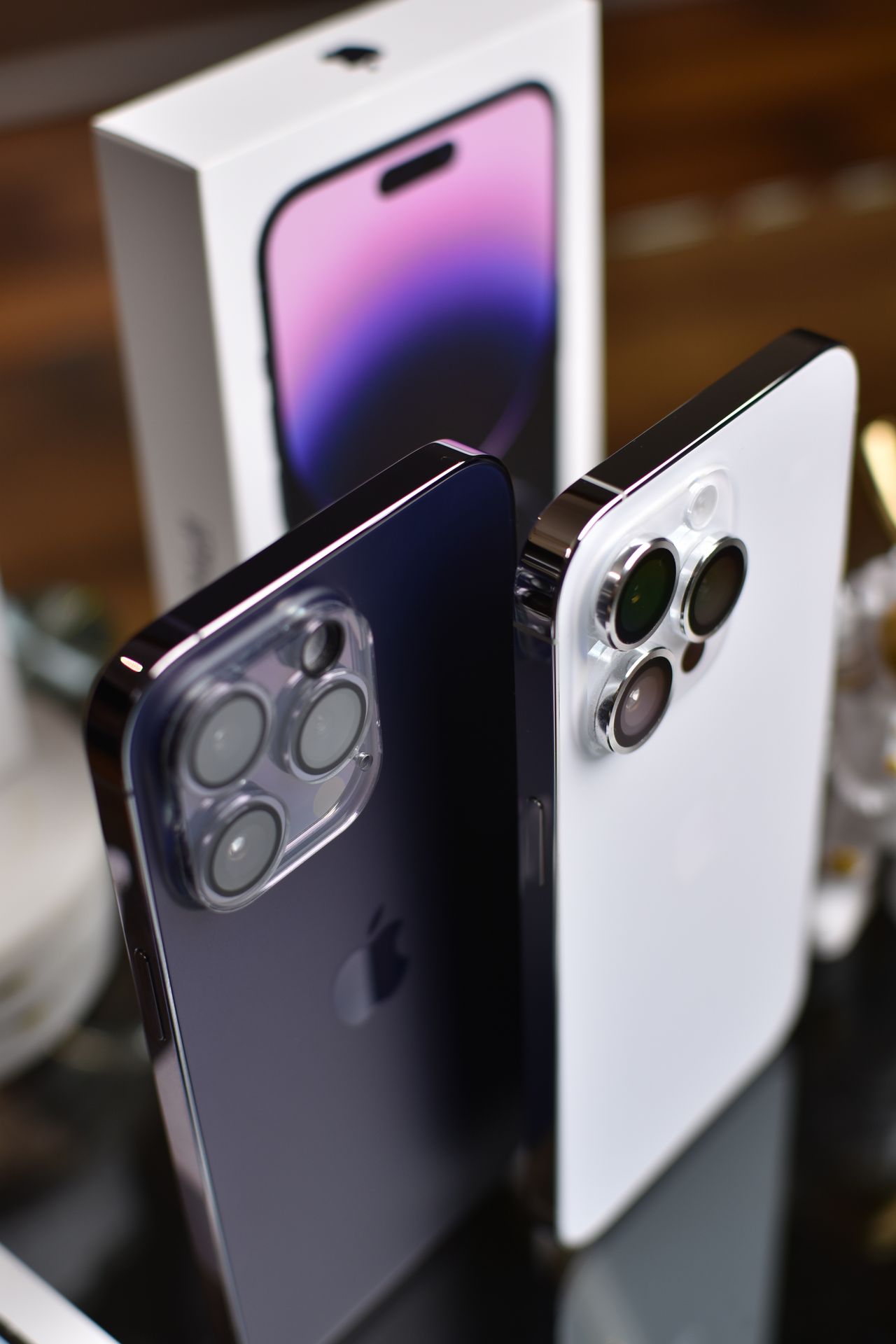
iPhone 14 Pro Max review: 6 months later, should you just wait for iPhone 15?
iPhone 14 Pro Max Mid-Cycle Review: Is It Better to Wait for the Next Generation?
Table of Contents
Six months into its lifecycle, the iPhone 14 Pro Max remains a powerhouse, but a few lingering question marks make a straight recommendation surprisingly difficult.
While it easily positions itself as a dominant flagship in today’s market—boasting unparalleled processing speeds, excellent battery longevity, and industry-leading video recording—it isn’t without flaws. The software-driven photography occasionally feels over-engineered, and the much-hyped Dynamic Island still feels like a work in progress. With the next generation of iPhones on the horizon, sitting tight might actually be your smartest move.
The Quick Verdict
The Good: Premium, robust craftsmanship; breathtaking LTPO display; exceptional battery endurance; blistering performance benchmarks; unmatched video stabilization and quality.
The Bad: Over-processed photographic rendering; Dynamic Island lacks widespread developer integration; charging speeds remain sluggish; heavier and blockier than its predecessor; premium pricing tiers.
Pricing and Configuration Breakdown
Apple’s premier flagship commands a top-tier investment. The device is structured across four primary storage capacities:
- 128GB: $1,099
- 256GB: $1,199
- 512GB: $1,399
- 1TB: $1,599
There is no sugarcoating the financial commitment here. When stacked against the broader smartphone landscape, the entry-level price point sits significantly higher than base premium models from competing brands, matching instead the upper-tier storage variants of its direct rivals.
Design: A Heavy, Luxurious Slab
If you have handled any top-tier Apple phone over the last few generations, the physical footprint here will feel incredibly familiar. The industrial design language—combining a polished stainless steel band with a premium frosted glass back—exudes luxury. It catches the light beautifully and offers a satisfyingly tactile matte finish.
However, using the same aesthetic for three consecutive years exposes minor ergonomic flaws. The sharp, unyielding edges of the chassis make the phone tough to grip comfortably for extended periods—an issue amplified by its sheer mass.
| Device | Dimensions | Weight |
| iPhone 14 Pro Max | 6.33 x 3.06 x 0.31 inches | 8.47 ounces |
| Samsung Galaxy S23 Ultra | 6.43 x 3.07 x 0.35 inches | 8.25 ounces |
| OnePlus 11 | 6.42 x 2.92 x 0.33 inches | 7.23 ounces |
Though technically shorter and slimmer than some of its Android contemporaries, it outweighs them by a noticeable margin. That weight distribution is further complicated by a massive, top-heavy camera array. It feels incredibly premium, but rumors of future designs moving toward softer, curved edges suggest that Apple itself knows this blocky era has peaked.
Display: Bright, Fluid, and “Island” Isolated
Flip the device over, and the 6.7-inch Super Retina XDR OLED display immediately commands attention. Outfitted with custom LTPO tech, a buttery 120Hz ProMotion refresh rate, and full HDR10/Dolby Vision support, this screen is an absolute triumph. Visual content pops with remarkable color accuracy and deep, ink-like contrast levels.
| Device Panel | Average Brightness (Adaptive) | DCI-P3 Gamut | Delta-E Accuracy (Lower is Better) |
| iPhone 14 Pro Max | 980 nits | 83.2% | 0.26 |
| Samsung Galaxy S23 Ultra | 1,020 nits | 78.3% | 0.30 |
| OnePlus 11 | 470 nits | 83.0% | 0.24 |
The headline feature, of course, is the Dynamic Island—the interactive, pill-shaped software cutout replacing the traditional notch. While the fluid animations associated with background alerts look slick, the overall utility feels muted. Outside of tracking live timers or verifying background audio playback, it frequently functions as a glorified notification visualizer. The underlying developer ecosystem has been slow to truly exploit the feature’s potential.
Audio and Performance: Unmatched Horsepower
On the audio front, the integrated stereo speakers manage impressive clarity and spatial separation. While they naturally lack deep sub-bass frequencies due to structural limitations, mid-range tones and vocals remain perfectly defined even when pushed to maximum volume.
Under the hood, the A16 Bionic chip (built on a cutting-edge 4nm architecture) delivers staggering raw power.
- Geekbench 5 (Single-Core): 1,882
- Geekbench 5 (Multi-Core): 5,333
- 3DMark Wild Life Extreme: 3,331
In real-world testing, it is practically impossible to make this phone stutter. Simultaneous tasks—like rendering high-definition video files while playing graphics-heavy titles—happen instantaneously. While competing Qualcomm silicon is closing the gap in graphical processing power, Apple’s hardware-software cohesion guarantees seamless operation across the board.
Battery Endurance and Sluggish Refueling
Thanks to the combined efficiency of the A16 Bionic and a variable 1Hz-to-120Hz display refresh rate, the 4,323 mAh cell delivers stellar longevity. In real-world, heavy usage scenarios (incorporating hours of browsing, media streaming, continuous background audio, and navigation), it consistently concludes a 15-hour day with roughly 30% power to spare.
The main drawback lies in the charging speeds:
- 30-Minute Charge Capacity: 42%
- Total Time to 100%: Approximately 1 hour and 22 minutes
Furthermore, the default Always-On Display mode drains the battery faster than expected because it keeps the background wallpaper partially illuminated. Disabling this feature altogether is highly recommended to maximize your daily runtime.
Cameras: Superior Video, Contentious Stills
The hardware suite here is objectively impressive. Anchored by a new 48MP primary sensor alongside 12MP ultra-wide and telephoto lenses, the system produces incredibly crisp images with natural depth of field. Low-light environments are handled beautifully, accurately preserving exposure and color depth without turning dark scenes into artificial daylight.
However, Apple’s computational imaging engine has a habit of over-processing daytime shots. Images can suffer from aggressive edge-sharpening and flattened contrast profiles as the algorithm tries to balance every light source uniformly. Compared to the moodier, higher-contrast rendering of previous generations, the default processing can make some photos feel mathematically sterile.
Where this phone stands utterly uncontested is video capture. Shooting in 4K at 60fps delivers immaculate detail, while features like Action Mode offer gymbal-like stabilization for high-speed tracking shots. For mobile videographers and creators, this remains the gold standard.
The Final Assessment
The iPhone 14 Pro Max is undeniably an exceptional piece of technology. It excels in raw speed, battery life, and video production. Yet, six months after launch, its luxury pricing, heavy footprint, and over-engineered photo processing make it a tough mid-cycle sell.
With a redesigned, lighter, and more refined successor just around the corner, patience is likely your best asset. If you need a phone this exact second, you won’t be disappointed—but if you can hold off for a few more months, you will likely catch Apple at the true peak of its design cyc