

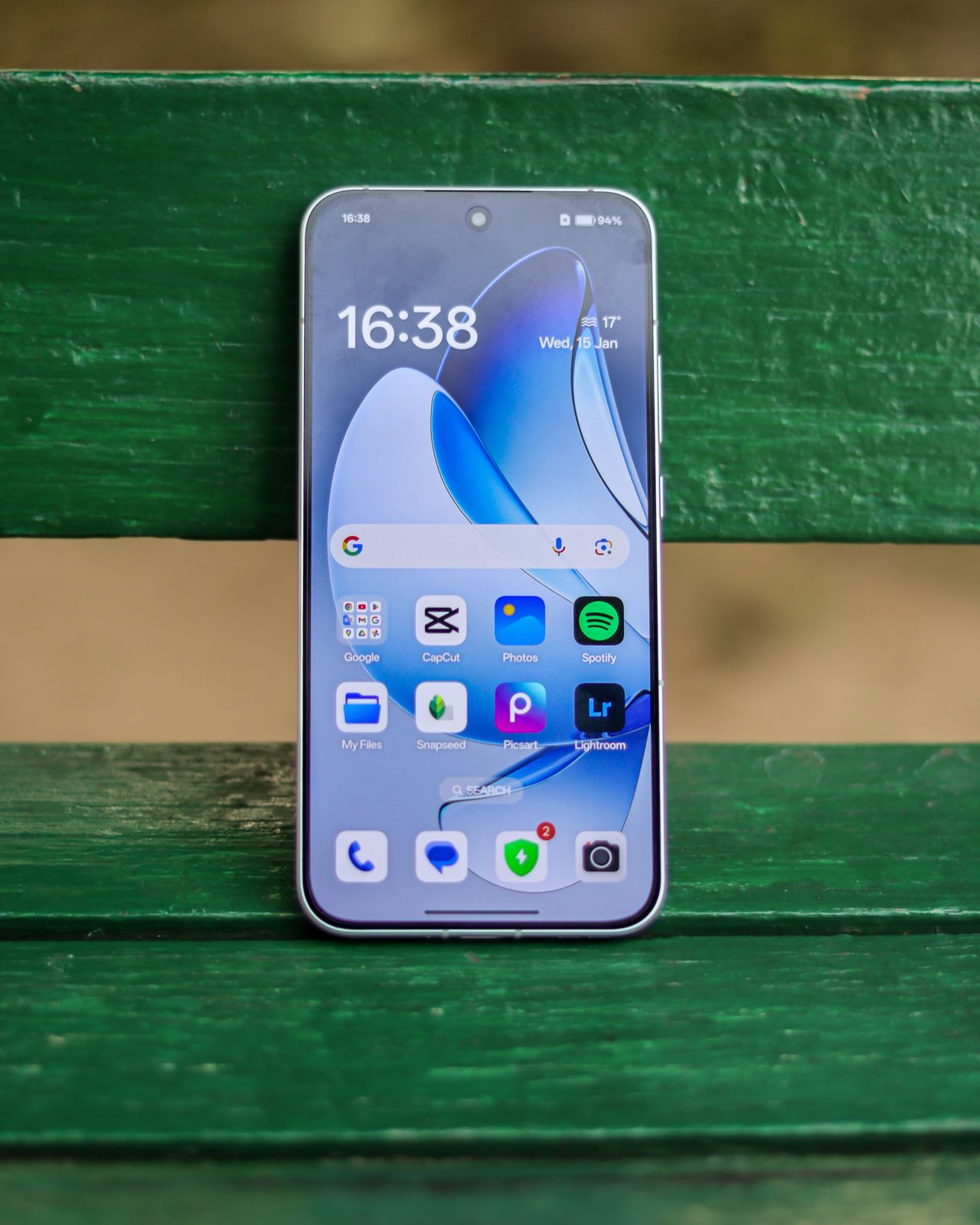
Google Pixel 9a Review: A Mid-Range Master With An Identity Crisis
Google Pixel 9a Review: Budget Brilliance and a Bold New Look
Table of Contents
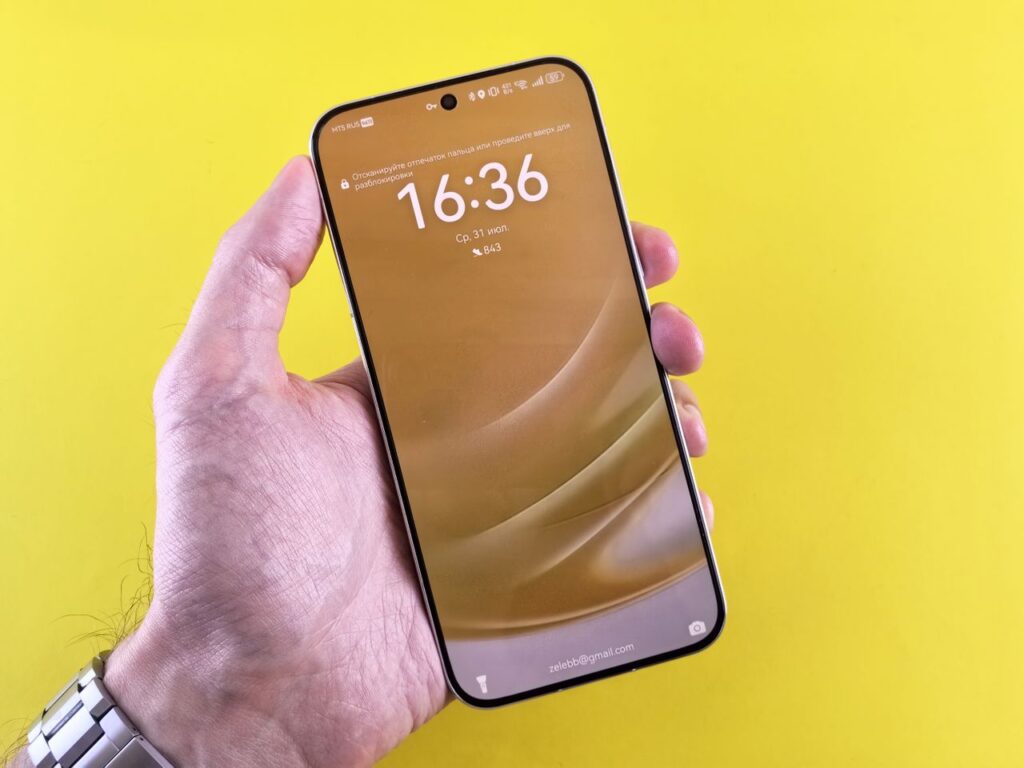
Google has long held a reputation for disrupting the mid-range smartphone market with its A-series devices. The Google Pixel 9a ($499) continues this trend, serving up a potent cocktail of flagship processing power, an upgraded main camera sensor, and unprecedented battery capacity. However, a jarring aesthetic departure from its premium siblings and a few hardware limitations leave this budget powerhouse experiencing a slight identity crisis.
The Bottom Line
The Google Pixel 9a is a phenomenal mid-range contender. By balancing high-end core performance with brilliant display metrics and unmatched longevity, it offers one of the absolute best value propositions under $500—even if its newly flattened design sheds some classic Pixel charm.
- Price: $499.00
- Verdict: Highly Recommended / Exceptional Value
- Google Pixel 9a Review
Pros & Cons
- + Fantastic 48MP main camera upgrade with stellar low-light capture
- + Massive 5,100mAh battery—the largest ever fitted into a Pixel
- + Radiant 6.3-inch 120Hz Actua display with uniform bezels
- + Upgraded IP68 water and dust resistance
- + Generous 7-year software and security update lifespan
- + Premium internal cooling via a newly added vapor chamber
- – Ditching the iconic raised camera bar leaves the design feeling a bit generic
- – The 13MP ultrawide sensor remains unchanged for the third generation
- – Strict 8GB RAM ceiling locks out several premium on-device Gemini features
Hardware Specifications
- Processor: Google Tensor G4
- RAM: 8GB
- Storage: 128GB / 256GB
- Display: 6.3-inch Actua OLED (120Hz, 2,700 nits peak brightness)
- Durability: IP68 certified, aluminum frame, composite rear panel
- Battery: 5,100mAh
- Software: Android 15 (Upgradable to Android 16)
Design: Ditching the Bar for a Flush Finish
The most polarizing attribute of the Pixel 9a is its physical transformation. While it retains the high-quality, flat aluminum side rails of the premium Pixel 9 series, the back panel has undergone radical surgery. The composite plastic rear—which does an admirable job of mimicking premium frosted glass—no longer features the signature raised Pixel camera bar.
Instead, the dual-lens camera system is nested entirely flush within the back panel. While minimalists may celebrate this flat orientation, the change strips away a distinct visual trademark that has defined the Pixel identity for generations.
On the structural side, Google has blessed the A-series with a full IP68 rating, a substantial peace-of-mind upgrade over the previous model’s weaker weather sealing. Front-facing aesthetics are also vastly improved: the asymmetric “chin” bezel of the past is gone, replaced by uniform borders wrapping around the screen.
Display: Flagship Brightness on a Budget
The Pixel 9a features a gorgeous 6.3-inch Actua display that punches well above its price bracket. Operating at a fluid 120Hz refresh rate, navigating the UI and scrolling through apps feels incredibly slick.
The screen can drive a blinding 2,700 nits of peak brightness. In real-world environments, this translates to effortless outdoor legibility under direct noon sunlight, while indoors at maximum settings, it pumps out enough light to comfortably double as a makeshift flashlight.
Performance and AI Trade-Offs
Powering the device is the same Tensor G4 processor found in Google’s higher-end flagships. For the first time in A-series history, Google has quietly integrated a copper vapor chamber cooling system inside the chassis. This thermal upgrade pays massive dividends during extended sessions of resource-heavy gaming like Genshin Impact, keeping the body remarkably cool to the touch without any noticeable frame drops or performance throttling.
The RAM Bottleneck
While raw computing performance is smooth, the strict allocation of 8GB of RAM creates a distinct bottleneck for Google’s software intelligence suite.
Unlike the more expensive models, the Pixel 9a is restricted to a smaller Gemini Nano 1.0 XXS model. Because of this architectural ceiling, the phone misses out on marquee features like the Pixel Screenshots app, localized Call Notes, and native on-device call scam detection.
What Is Included: Users still get access to core tools like Circle to Search, Call Assist, and the latest Gemini Live capabilities, which support full-screen sharing to identify physical objects or digital video backdrops on the fly.
Camera: High-End Main Sensor, Aging Secondaries
The primary camera setup gets a major shot in the arm with a new 48MP wide-angle sensor ($f/1.7$ aperture), complete with robust optical and electronic image stabilization.
In demanding real-world environments—such as high-contrast, low-light indoor exhibits or vast outdoor landscapes—the main lens performs magnificently. It captures punchy colors, deep texturing, and clean details without over-processing. A new dedicated macro focus mode also yields sharp, highly detailed close-up imagery.
The rest of the camera system, unfortunately, relies on legacy hardware:
- Ultrawide: The 13MP ($f/2.2$) sensor is identical to the hardware found on the older Pixel 7a and 8a. While it handles basic landscape shots adequately, it shows significant grain and soft details in low-light environments.
- Selfie Camera: The front-facing 13MP shooter delivers acceptable social media shots, though portrait mode still struggles occasionally with fine edge-detection around complex hair styles or glasses.
Battery: The Undisputed Longevity King
Battery endurance is the Pixel 9a’s crowning achievement. Packed with a massive 5,100mAh cell, it holds the largest battery capacity ever deployed across any Pixel phone to date. Under punishing endurance testing—looping continuous 4K video at maximum screen brightness—the device effortlessly sailed through eight hours of playback, retaining a healthy 20% reservoir at the finish line.
Google is also debuting a new battery health assistance utility with this model. To significantly extend the battery’s overall lifespan across the phone’s seven-year commitment, the system intelligently limits peak voltage thresholds over time. While this means overall capacity will taper slightly as the device logs hundreds of charge cycles, it protects the cell from degrading prematurely.
Final Thoughts
At $499, Google’s A-series continues to be the definitive benchmark for mid-range value. The combination of elite main-sensor photography, a gorgeous 120Hz Actua panel, and a massive 5,100mAh battery makes it an incredibly easy recommendation for the vast majority of consumers.
It does require a few deliberate compromises: you must accept the loss of Google’s signature camera bar design and handle a watered-down suite of localized Gemini AI tools. However, when contrasted against the standard Pixel 9—which demands a $300 premium for upgraded glass protection, 12GB of RAM, and Wi-Fi 7 at the cost of a smaller battery—the Pixel 9a stands out as an absolute bargain.