

HTC U23 Pro review
Table of Contents
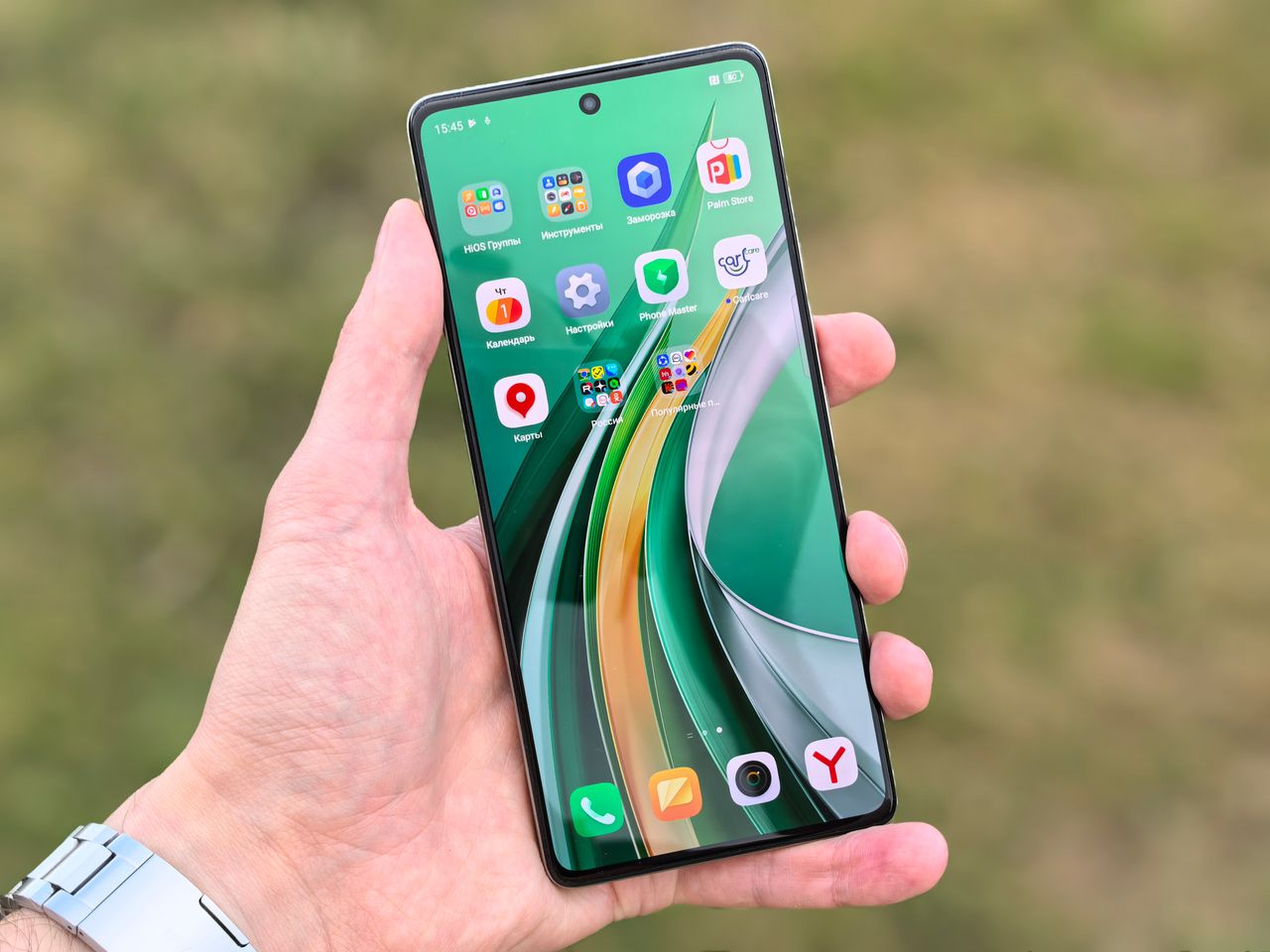
The HTC U23 Pro is an unusual smartphone. It carries one of the most recognizable names in Android history, yet it arrives at a time when HTC is no longer the major smartphone force it once was. That makes the U23 Pro interesting before you even switch it on.
Rather than trying to compete as an ultra-premium flagship, the U23 Pro takes a more practical approach. It combines a large 120Hz OLED display, a Snapdragon 7-series processor, a 108MP optically stabilized main camera, a substantial battery, wireless charging, expandable storage, and an IP67 rating. On paper, that is a compelling collection of features for an upper-mid-range device.
The problem is that specifications alone do not determine whether a phone is competitive. The U23 Pro has to contend with aggressive competition from manufacturers that release mid-range devices at regular intervals. HTC’s limited smartphone presence also raises questions about software support, availability, accessories, and long-term value.
Still, there is something appealing about a modern HTC phone with a relatively clean Android experience and a conventional feature set. The U23 Pro feels less like an attempt to reinvent the smartphone and more like HTC returning to familiar territory with contemporary hardware.
Key Specifications
| Category | HTC U23 Pro |
|---|---|
| Dimensions | 166.6 × 77.1 × 8.9 mm |
| Weight | 205 g |
| Build | Plastic body |
| Water/Dust Resistance | IP67 |
| Display | 6.70-inch OLED |
| Resolution | 1080 × 2400 pixels |
| Refresh Rate | 120Hz |
| Aspect Ratio | 20:9 |
| Pixel Density | ~393 ppi |
| Processor | Qualcomm Snapdragon 7 Gen 1 |
| CPU | Octa-core, up to 2.4GHz |
| GPU | Adreno 644 |
| RAM | 8GB / 12GB |
| Storage | 256GB |
| Expandable Storage | microSDXC |
| Operating System | Android 13 |
| Main Camera | 108MP, f/1.7, OIS, PDAF |
| Ultrawide Camera | 8MP, 120° |
| Macro Camera | 5MP |
| Depth Camera | 2MP |
| Front Camera | 32MP |
| Rear Video | Up to 4K at 30fps |
| Front Video | 1080p at 30fps |
| Battery | 4,600mAh |
| Wired Charging | 30W |
| Wireless Charging | 15W |
| Reverse Wireless Charging | 5W |
| Cellular Connectivity | 5G |
| Wi-Fi | Wi-Fi 6 |
| Bluetooth | 5.2 |
| NFC | Yes |
| Headphone Jack | 3.5mm |
| SIM | Dual SIM |
| Fingerprint Sensor | Side-mounted |
Design and Build Quality
The U23 Pro takes a relatively understated approach to industrial design. At more than 200 grams and with a 6.7-inch display, it is unquestionably a large phone, but its proportions are fairly conventional for the category.
The plastic construction is one of the more obvious reminders that this is not a premium flagship. That is not necessarily a negative. Plastic can be lighter and more resistant to certain types of accidental damage than glass, although the U23 Pro is still a fairly substantial device in the hand.
An important advantage is the IP67 rating. The phone is designed to resist dust and can withstand immersion in up to one meter of water for a limited period under the relevant testing conditions. This gives the U23 Pro a useful degree of protection that is not always guaranteed on mid-range smartphones.
The overall aesthetic is restrained rather than flashy. HTC has not attempted to make the U23 Pro visually extravagant, and that may appeal to buyers who prefer a straightforward design.
The 3.5mm headphone jack is another welcome inclusion. As more phones eliminate wired audio, retaining the jack gives users another connection option without requiring a USB-C adapter.
Display Experience
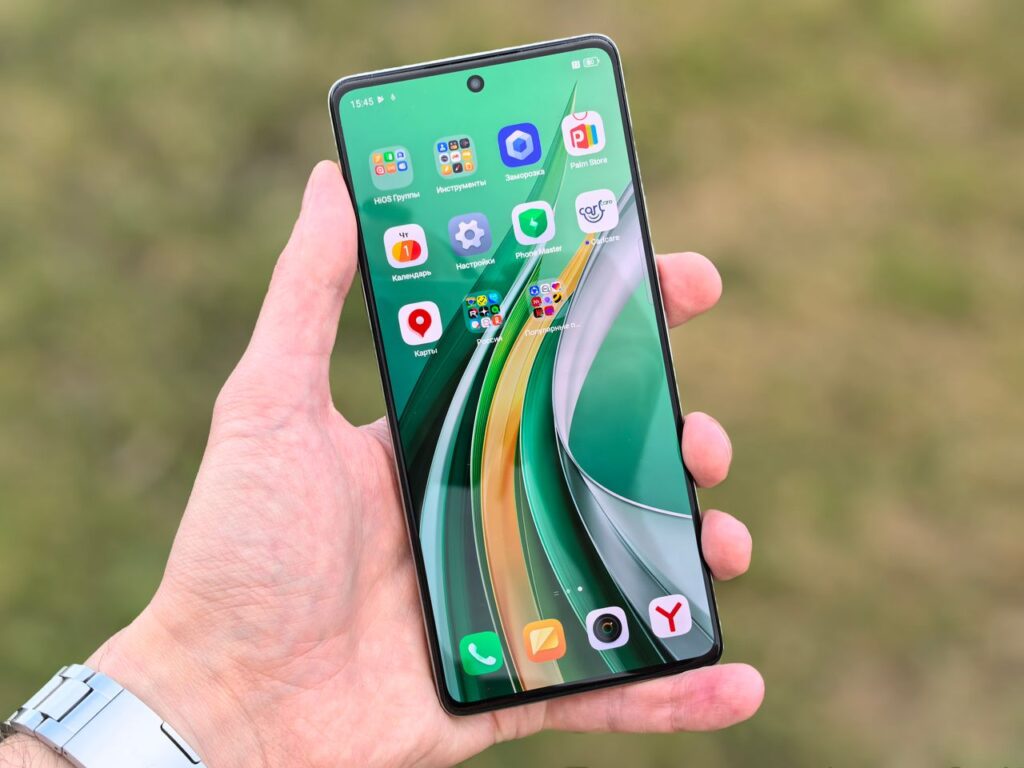
The 6.7-inch OLED display is arguably one of the U23 Pro’s strongest hardware features.
Its 1080 × 2400 resolution is appropriate for this screen size, providing roughly 393 pixels per inch. It is not an unusually high-resolution panel, but Full HD+ remains more than sufficient for normal smartphone use. Text, photographs, videos, and applications should appear sharp at typical viewing distances.
More significant is the 120Hz refresh rate. Compared with conventional 60Hz displays, a 120Hz panel can make scrolling, animations, and supported games feel considerably smoother. This is particularly noticeable when navigating through menus or browsing long webpages.
OLED technology also brings the usual advantages of deep blacks and strong contrast. For video consumption and general media use, the panel is therefore well suited to the phone’s large form factor.
There is a sensible balance here: HTC spends money on the aspects of the display that users are likely to notice every day rather than chasing an unnecessarily high resolution.
Performance Analysis
At the center of the U23 Pro is Qualcomm’s Snapdragon 7 Gen 1, manufactured using a 4nm process.
This is an upper-mid-range platform rather than a flagship processor. Its CPU combines Cortex-A710 performance cores with Cortex-A510 efficiency cores, while graphics duties are handled by an Adreno 644 GPU.
For everyday tasks, this hardware is more than adequate. Applications should open quickly, multitasking is well supported by the available 8GB or 12GB of RAM, and the 120Hz screen complements the processor by making the interface feel responsive.
The 12GB RAM version is particularly generous for a mid-range phone. While additional memory does not automatically translate into better performance, it can help when keeping numerous applications active.
Gaming is another area where the U23 Pro should perform reasonably well. Less demanding games can take advantage of the high-refresh-rate display, while more graphically intensive titles may require reduced settings to maintain consistent frame rates. The Snapdragon 7 Gen 1 occupies a useful middle ground: it offers substantially more capability than entry-level smartphone hardware without attempting to match contemporary flagship silicon.
For most users, the more important consideration is not benchmark performance but sustained everyday usability. Web browsing, social media, streaming, navigation, photography, communication, and productivity are all well within the capabilities of this platform.
The 256GB storage capacity is also a strong practical choice. It provides enough room for applications, photographs, videos, and offline media without immediately forcing the user toward cloud storage.
And unlike many modern phones, the U23 Pro supports microSD expansion, making it particularly attractive to people who keep large local media collections.
Camera Performance
The camera system is built around a 108MP primary sensor with an f/1.7 aperture, phase-detection autofocus, and optical image stabilization.
The headline resolution sounds impressive, but the more meaningful combination is the large main sensor, wide aperture, autofocus system, and OIS. Optical stabilization can help reduce blur caused by hand movement, particularly in lower-light photography and when recording video.
The primary camera should therefore be considered the centerpiece of the imaging system rather than treating all four rear cameras as equally important.
The 8MP ultrawide camera provides a much broader 120-degree perspective. This can be useful for architecture, landscapes, group photographs, and situations where physically stepping backward is difficult.
However, an 8MP ultrawide sensor is much less ambitious than the 108MP primary camera. Users should consequently expect the main camera to deliver the strongest image quality.
The 5MP macro camera is a more specialized addition. Macro photography can be fun when used under favorable conditions, but it is unlikely to be a deciding feature for most buyers. Likewise, the 2MP depth sensor primarily exists to assist with portrait-style photography rather than serving as a major standalone imaging tool.
On the front is a 32MP selfie camera capable of 1080p video recording. That should be sufficient for video calls, selfies, and social-media use.
Video recording from the rear camera reaches 4K at 30fps, with gyro-based electronic stabilization available. This gives the phone a useful video capability, although it lacks the broader high-frame-rate and advanced video features found on some more expensive devices.
Overall, the camera setup makes sense when viewed as a 108MP-main-camera phone rather than a fully fledged multi-camera flagship.
Battery Life and Charging
The U23 Pro contains a 4,600mAh battery. Combined with a 4nm processor and a Full HD+ OLED display, that capacity should provide solid endurance for ordinary use.
Actual battery life will naturally vary according to display brightness, cellular reception, gaming, camera use, refresh-rate settings, and background applications. Heavy 5G use and sustained gaming will consume considerably more energy than messaging and web browsing.
Charging is more interesting because HTC includes several charging technologies.
The phone supports 30W wired charging, which is reasonably quick for its class. It also supports 15W wireless charging, an increasingly uncommon feature in the mid-range segment.
Reverse wireless charging is supported at 5W as well, allowing the phone to transfer power to compatible accessories. Reverse wired charging is also available.
The absence of an included charger, however, makes the out-of-box experience less generous. Buyers who do not already own a suitable USB-C charger will need to purchase one separately.
Software and Connectivity
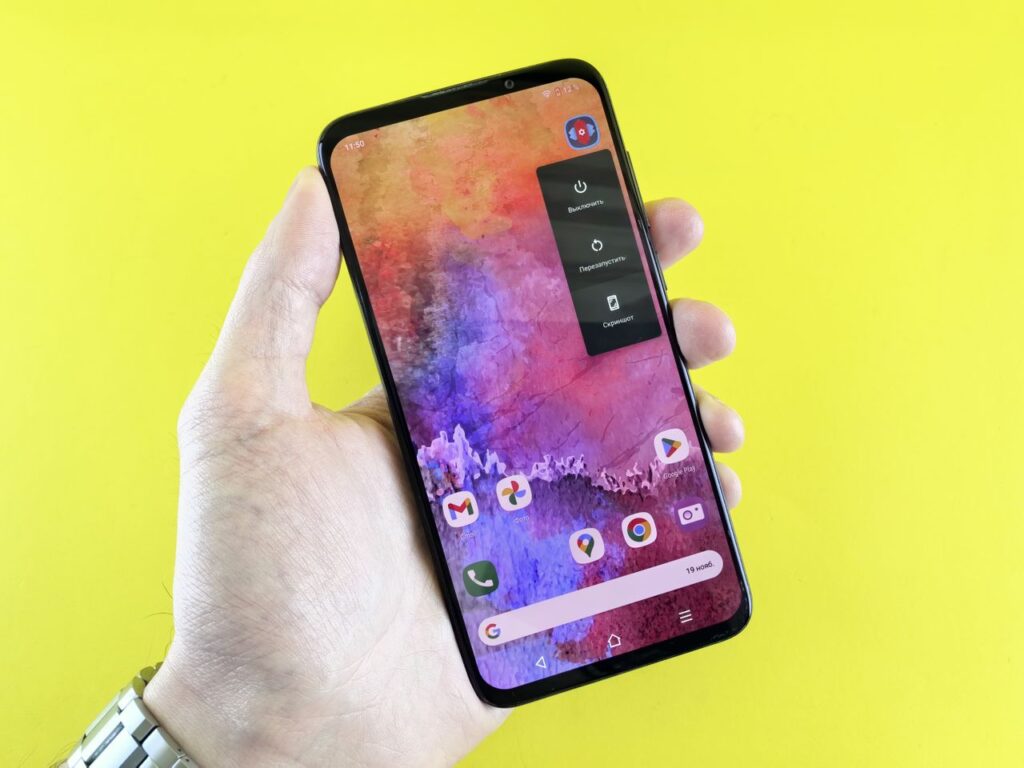
The U23 Pro launched with Android 13. HTC’s approach is relatively restrained compared with heavily customized Android interfaces.
That cleaner software philosophy can be appealing to users who dislike excessive pre-installed applications or elaborate manufacturer skins. It also contributes to the phone’s broader identity: HTC is offering a conventional Android smartphone rather than trying to overwhelm users with proprietary features.
Connectivity is comprehensive. The phone supports 5G, dual SIM functionality, Wi-Fi 6, Bluetooth 5.2, NFC, and a 3.5mm headphone jack.
The side-mounted fingerprint reader is another practical choice. A side sensor can be fast and convenient, particularly when the phone is being picked up from a table or removed from a pocket.
The bigger question for long-term buyers is software support. With a relatively uncommon HTC phone, prospective owners should pay attention not only to the Android version at launch but also to the manufacturer’s update policy and the actual frequency and duration of security updates in their market.
Unboxing and Accessories
The packaging is deliberately simple. The box itself is functional rather than luxurious, and HTC appears to have concentrated on protecting the handset rather than creating a premium unboxing experience.
Inside, the accessory selection is minimal. The major included accessory is a USB-C-to-USB-C cable, accompanied by a small HTC sticker.
There is no wall charger included.
That is increasingly common across the smartphone industry, but it still matters when evaluating the overall value of a phone. The charging hardware becomes an additional purchase for anyone who does not already have a compatible adapter.
Pros and Cons
Pros
- 6.7-inch OLED display with a smooth 120Hz refresh rate
- Snapdragon 7 Gen 1 provides capable mid-range performance
- 8GB or 12GB RAM options
- 256GB internal storage
- microSD expansion is supported
- 108MP main camera includes OIS
- 4K rear-camera video recording
- IP67 dust and water resistance
- 15W wireless charging
- Reverse wireless charging
- 5G, Wi-Fi 6, NFC, and dual SIM support
- 3.5mm headphone jack
- Relatively clean Android experience
Cons
- Plastic construction does not feel especially premium
- 205g weight makes it a substantial phone
- Ultrawide camera is considerably less capable than the main sensor
- Macro and depth cameras add limited photographic versatility
- No charger is included
- 30W wired charging is not particularly aggressive by modern standards
- HTC’s limited smartphone presence may concern buyers seeking a long-term ecosystem
- Software support and availability are important considerations
- The launch pricing positioned it against strong mid-range competition
Who Is This For?
The HTC U23 Pro is best suited to a fairly specific type of smartphone buyer.
HTC enthusiasts are the obvious audience. For people who remember HTC’s earlier Android phones and appreciate the brand’s history, the U23 Pro provides a modern handset carrying the familiar logo.
It may also appeal to users who want cleaner Android software without moving to a flagship-priced device.
The phone is particularly practical for people who value expandable storage and wired headphones. Both features have become increasingly rare on mainstream smartphones, making the U23 Pro unusual in this respect.
Its IP67 rating and wireless charging also make it attractive to users who prioritize convenience and everyday durability over premium materials.
Gamers who primarily play moderately demanding titles should find the Snapdragon 7 Gen 1 capable, although users seeking maximum gaming performance should look toward more powerful hardware.
Photographers should view the phone somewhat differently. The 108MP stabilized main camera gives the U23 Pro a strong central camera specification, but the supporting cameras are not on the same level. It is therefore more appropriate for someone who primarily uses the main camera than for a buyer looking for a versatile multi-camera photography system.
Finally, its value proposition becomes much more interesting when the purchase price falls substantially below its original launch level. Mid-range smartphones depreciate quickly, and the U23 Pro’s combination of storage, RAM, OLED display, IP rating, wireless charging, and expandable storage can become considerably more compelling on the used or discounted market.
Final Verdict
The HTC U23 Pro is an intriguing smartphone because it succeeds in being both familiar and unusual.
It does not attempt to compete with the industry’s most expensive flagships. Instead, HTC assembled a collection of sensible mid-range components: a large 120Hz OLED screen, Snapdragon 7 Gen 1 performance, plenty of RAM and storage, a 108MP stabilized primary camera, a 4,600mAh battery, 5G, IP67 protection, wireless charging, microSD support, and even a headphone jack.
That combination gives the phone a surprisingly broad feature set.
Its weaknesses are equally clear. The plastic body, modest secondary cameras, 30W wired charging, sparse box contents, and questions surrounding HTC’s modern smartphone ecosystem make it harder to justify at an aggressive launch price. The phone also lacks the brand momentum and broad device ecosystem enjoyed by the largest Android manufacturers.
Yet the U23 Pro has a distinctive appeal. It feels like a phone designed around practical features rather than marketing spectacle. Expandable storage, a headphone jack, wireless charging, water resistance, a high-refresh-rate OLED screen, and a clean Android interface form a useful package.
The HTC U23 Pro is therefore best understood as a feature-rich upper-mid-range phone rather than a flagship replacement. At its original pricing, buyers had many competing options to consider. At a substantially reduced price, however, its unusual combination of features becomes much easier to appreciate.
For HTC fans, Android users who prefer understated software, and buyers who specifically want features such as microSD expansion, wireless charging, and a 3.5mm headphone jack, the U23 Pro remains an interesting proposition. It may not restore HTC to its former smartphone prominence, but it demonstrates that the company can still produce a phone with a coherent and practical hardware package.