

iPhone 14 vs iPhone 13: Is it worth the upgrade?
Table of Contents
When Apple introduced the iPhone 14, it arrived with a surprisingly familiar formula. The phone looks remarkably similar to the iPhone 13, uses a closely related processor, and retains the same 6.1-inch display with a 60Hz refresh rate. Yet Apple did make several meaningful changes beneath the surface, particularly to the cameras, memory configuration, and battery.
That creates an unusual buying decision. The iPhone 14 is technically the newer model, but the iPhone 13 remains capable enough that the differences between the two aren’t immediately obvious in everyday use.
The question, therefore, isn’t simply whether the iPhone 14 is better. It is whether its improvements justify choosing it over the still-capable iPhone 13.
Key Specifications
| Specification | iPhone 14 | iPhone 13 |
|---|---|---|
| Display | 6.1-inch Super Retina XDR | 6.1-inch Super Retina XDR |
| Refresh rate | 60Hz | 60Hz |
| Processor | A15 Bionic, 5-core GPU | A15 Bionic, 4-core GPU |
| RAM | 6GB | 4GB |
| Storage | 128GB / 256GB / 512GB | 128GB / 256GB / 512GB |
| Main rear cameras | Dual 12MP | Dual 12MP |
| Ultra-wide camera | 12MP | 12MP |
| Front camera | 12MP, f/1.9 | 12MP, f/2.2 |
| Display brightness | Up to 1,200 nits peak HDR | Up to 1,200 nits peak HDR |
| Battery capacity | Approximately 3,279mAh | Approximately 3,240mAh |
| Standard model dimensions | 5.78 × 2.82 × 0.31 inches | Very similar |
| Weight | 6.07 ounces | 6.10 ounces |
| Biometrics | Face ID | Face ID |
| Charging connector | Lightning | Lightning |
Specifications reflect the configurations and information provided in the reference material.
Price and Value
The iPhone 14 launched at $799 in the United States, while the iPhone 14 Plus started at $899. This represented an important shift in Apple’s standard iPhone lineup because the smaller iPhone mini was no longer part of the generation.
Pricing was more complicated in international markets. The reference material notes significant increases in the UK and European Union compared with the previous generation.
The existence of the iPhone 13 alongside the iPhone 14 also changes the value calculation. When a previous-generation phone remains officially available, buyers have to consider not only what the new model offers but also what they give up by choosing the older one.
The iPhone 14’s value proposition becomes stronger if its improved cameras, additional RAM, and newer features are important to you. If your priority is simply having a fast iPhone with a high-quality display and reliable cameras, the iPhone 13 remains highly relevant.
Design and Build Quality
Apple made remarkably few external changes between the two generations.
The iPhone 14 maintains the familiar flat-sided aluminum-and-glass construction associated with recent standard iPhone models. The front still uses a conventional display notch rather than the Dynamic Island introduced on Apple’s Pro models of that generation.
The rear camera arrangement also follows the familiar diagonal layout.
This consistency isn’t necessarily a flaw. The iPhone 13 established a modern, recognizable design, and the iPhone 14 continues to offer a premium construction with a compact footprint. For someone upgrading from an iPhone 13, however, the physical transformation is minimal.
The standard iPhone 14 measures approximately 5.78 × 2.82 × 0.31 inches and weighs around 6.07 ounces. The iPhone 13 is almost identical in size and weighs approximately 6.10 ounces.
That tiny difference is effectively irrelevant in normal use.
The more significant design development was the introduction of the iPhone 14 Plus, which expanded the standard model’s concept into a much larger 6.7-inch version. It offered users a large-screen experience without moving to the Pro Max tier.
For buyers specifically comparing the standard iPhone 14 and iPhone 13, though, the design experience is essentially evolutionary.
Display Quality
Both phones feature a 6.1-inch Super Retina XDR display, and on paper this is one of the areas where Apple made virtually no generational leap.
The resolution, OLED-based panel technology, HDR support, wide color gamut, and up-to-1,200-nit peak HDR brightness provide an excellent viewing experience.
Text looks crisp, photographs are vibrant, and the high contrast of OLED makes movies and darker interface elements particularly attractive.
The biggest limitation is the refresh rate.
Both models remain at 60Hz.
That isn’t necessarily a problem for basic smartphone use. Apple’s animations, touch response, and iOS interface make the display feel responsive. Scrolling is also well optimized.
However, by this generation, 120Hz displays had become increasingly common elsewhere in the smartphone market, including on considerably less expensive devices. A higher refresh rate would have been one of the most immediately noticeable upgrades Apple could have provided.
This is particularly important for users accustomed to high-refresh-rate phones. Moving from a 120Hz smartphone to either the iPhone 13 or iPhone 14 can make scrolling feel less fluid.
In terms of color, contrast, sharpness, and HDR capability, however, neither phone is likely to disappoint.
Processor and Everyday Performance
One of the most interesting aspects of the iPhone 14 is its processor strategy.
Instead of introducing an entirely new chip for the standard model, Apple retained the A15 Bionic architecture. However, the iPhone 14 uses the version of the A15 with a five-core GPU, corresponding to the configuration previously used in the iPhone 13 Pro.
The iPhone 13 uses the standard A15 configuration with a four-core GPU.
That means the iPhone 14 isn’t simply running exactly the same silicon configuration as the iPhone 13.
What does that mean in practice?
For everyday activities, the difference is unlikely to feel dramatic.
Both phones have more than enough CPU performance for:
- Web browsing
- Social media
- Video streaming
- Photography
- Messaging
- Navigation
- Mobile gaming
- Productivity applications
- Video calls
- Everyday multitasking
The A15 Bionic remains a powerful mobile processor, and iOS is heavily optimized for Apple’s hardware.
The iPhone 14 does have an advantage in graphics performance because of the additional GPU core. It also includes 6GB of RAM compared with 4GB in the iPhone 13.
More RAM can be useful when switching between applications, particularly as software becomes more demanding over time.
For buyers intending to keep their phone for several years, the additional memory is potentially more significant than the relatively modest difference in processor performance.
Camera Performance
The camera system is where Apple’s incremental improvements become more meaningful.
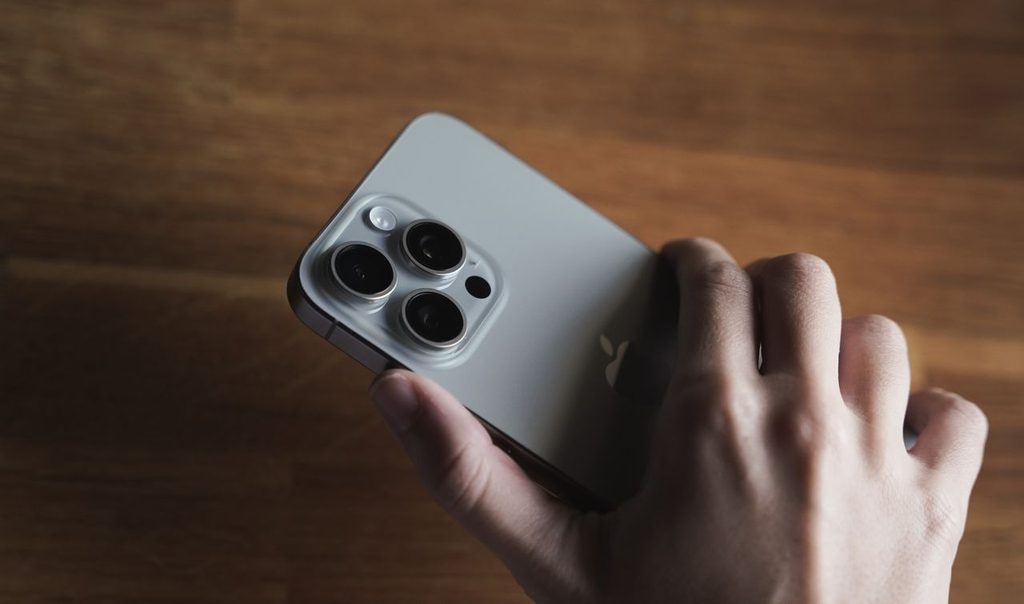
Both phones have dual 12MP rear cameras, consisting of a main wide camera and an ultra-wide camera. So if you’re comparing specifications alone, the two systems appear almost identical.
The iPhone 14, however, benefits from hardware and computational photography changes designed to improve image quality, especially when lighting conditions become difficult.
The main camera uses a wider aperture and larger effective light-gathering capabilities than the standard iPhone 13 camera. This can help the sensor capture more light, which is particularly valuable in evening and indoor environments.
Apple also introduced its Photonic Engine, which enhances computational photography by applying image processing earlier in the photographic pipeline.
The practical goal is straightforward: preserve more detail, improve color, and reduce the loss of image quality in low-light situations.
Front camera improvements
The front-facing camera receives one of the clearer hardware upgrades.
The iPhone 14’s 12MP TrueDepth camera uses an f/1.9 aperture compared with the iPhone 13’s f/2.2 aperture.
That wider aperture allows more light to reach the sensor, potentially improving selfies and video calls in dim environments.
Autofocus improvements also make the front camera more versatile.
For people who frequently use their phones for selfies, social media, video calls, or content creation, these changes may provide more tangible benefits than the processor update.
Video and Content Creation
Both devices are capable video cameras, and Apple’s computational photography capabilities remain one of the strongest aspects of the iPhone experience.
The iPhone 14’s camera improvements are particularly useful for users who shoot frequently in challenging lighting.
For casual users, the difference may be subtle. For people who routinely photograph concerts, restaurants, evening events, indoor gatherings, or nighttime street scenes, the newer hardware and processing can matter considerably more.
The larger question is whether these improvements justify upgrading from an existing iPhone 13. That depends heavily on how often the camera is used.
If photography is central to your smartphone experience, the iPhone 14 offers legitimate improvements. If most photos are taken outdoors in good lighting, the difference is less compelling.
Battery Life
Apple made a modest increase to the battery capacity, moving from approximately 3,240mAh in the iPhone 13 to about 3,279mAh in the iPhone 14.
Capacity alone doesn’t determine battery life. Processor efficiency, display brightness, software optimization, cellular connectivity, and workload all influence how long a phone lasts.
The iPhone 14 was designed to provide slightly improved usage time, although the difference isn’t transformative.
For most users, both phones should comfortably handle ordinary daily activities under normal usage patterns. Heavy gaming, navigation, video recording, high-brightness outdoor use, and continuous cellular data can reduce endurance considerably.
The larger iPhone 14 Plus is a different proposition. Its substantially larger chassis allows Apple to fit a considerably larger battery, making it the better choice for users who prioritize endurance and a large screen.
Software Experience
One of the major strengths of buying an iPhone is that hardware specifications don’t tell the entire story.
Apple controls both the processor and operating system, allowing the company to optimize iOS closely around its devices.
That means the A15 Bionic in the iPhone 13 remains capable even though it is no longer Apple’s newest chip generation.
The iPhone 14 benefits from the same basic software philosophy while offering newer hardware features.
The long-term software support associated with Apple’s phones also makes both devices more attractive than their launch dates might suggest.
For users upgrading from considerably older iPhones, either model can represent a substantial performance improvement.
Connectivity and Features
Both phones retain Apple’s Lightning connector rather than moving to USB-C.
For existing iPhone users with Lightning accessories, this avoids an immediate cable replacement requirement. On the other hand, users hoping for a universal USB-C setup won’t get that benefit from either model.
Face ID remains the primary biometric authentication system, and the familiar notch continues to occupy the upper portion of the display.
The absence of major external changes means the iPhone 14 doesn’t feel like a radically redesigned phone. Its improvements are largely internal and camera-related.
Detailed Performance Analysis
The iPhone 14’s performance story is best understood as an optimization rather than a generational revolution.
Its A15 Bionic processor remains extremely capable, and the additional GPU core gives it an advantage over the standard iPhone 13 configuration. More RAM also gives the newer phone greater breathing room for multitasking.
In demanding games, the iPhone 14’s graphics hardware can provide additional headroom. However, users shouldn’t expect a completely different experience from the iPhone 13. Both are fast phones.
The bigger difference appears when several improvements are considered together.
The iPhone 14 combines:
- More RAM
- A stronger A15 GPU configuration
- Improved main-camera hardware
- A wider-aperture front camera
- New computational photography processing
- A slightly larger battery
- Newer-generation features
None of these changes individually transforms the phone. Collectively, they make the iPhone 14 a more refined version of the iPhone 13.
Pros and Cons
iPhone 14 Pros
- Excellent overall performance from the A15 Bionic platform
- More RAM than the iPhone 13
- Strong graphics performance
- Improved low-light photography
- Better front-facing camera hardware
- Excellent OLED display quality
- Compact and lightweight design
- Familiar premium construction
- Strong software optimization
- 128GB starting storage
iPhone 14 Cons
- 60Hz display feels dated beside many high-refresh-rate competitors
- External design changes are minimal
- Processor generation is not substantially newer than the iPhone 13
- Lightning connector remains
- Price can be difficult to justify when the iPhone 13 is significantly cheaper
- Standard model lacks the more distinctive Pro display features
- Camera improvements are more evolutionary than revolutionary
iPhone 13 Pros
- Still-powerful A15 Bionic processor
- Excellent OLED display
- Strong camera performance
- Familiar compact design
- Same 60Hz display as the iPhone 14
- Available in the same 128GB, 256GB, and 512GB storage tiers
- Often represents stronger value when discounted
iPhone 13 Cons
- Less RAM than the iPhone 14
- Four-core GPU rather than the iPhone 14’s five-core configuration
- Older front-camera aperture
- Less advanced low-light processing
- Also limited to a 60Hz refresh rate
- Fewer newer-generation camera enhancements
Who Is This For?
Choose the iPhone 14 if…
The iPhone 14 makes the most sense for buyers who want a new standard iPhone and care about camera improvements, additional memory, and longer-term hardware headroom.
It’s particularly suitable for people who take lots of photos, use the front camera frequently, play demanding games, or keep their phones for several years.
It’s also the natural choice for someone who wants the newer model and doesn’t mind paying the premium.
Choose the iPhone 13 if…
The iPhone 13 becomes especially attractive when its price is substantially lower.
It still provides excellent performance, a high-quality OLED screen, capable cameras, and Apple’s software ecosystem.
For a student, casual smartphone user, family member, or anyone primarily interested in everyday communication, streaming, photography, and social media, the older model can still meet those requirements comfortably.
Consider the iPhone 14 Plus if…
Screen size and battery endurance matter more than compactness.
The 6.7-inch display provides a much larger viewing area for movies, games, reading, and multitasking, while the larger physical chassis accommodates a bigger battery.
Final Verdict
The iPhone 14 is a capable and polished smartphone, but it is an unusual upgrade because so much of its foundation comes from the previous generation.
The display remains 6.1 inches and 60Hz, the overall design is nearly unchanged, and the A15 Bionic remains at the heart of the device. That makes the iPhone 14 feel more like an evolution of the iPhone 13 than a dramatic new generation.
Nevertheless, Apple did make meaningful improvements.
The five-core GPU version of the A15, 6GB of RAM, upgraded front-facing camera, improved low-light photography, and Photonic Engine give the iPhone 14 genuine advantages. These improvements are especially relevant to photography enthusiasts and people who plan to keep their device for several years.
The iPhone 13, meanwhile, remains an unusually capable alternative. Its performance is still strong, its display remains excellent, and its camera system can produce impressive results.
That makes the final buying decision heavily dependent on pricing and priorities.
The iPhone 14 is the more refined package, particularly for camera-focused users, while the iPhone 13 remains a highly capable option when available at a meaningfully lower price. The difference between the two is not large enough to make the iPhone 13 feel obsolete features are particularly important. For someone buying their first phone in this generation, either device can provide a strong everyday experience,.
For an existing iPhone 13 owner, the case for upgrading is therefore relatively narrow unless improved cameras, additional RAM, or newer features are particularly important. For someone buying their first phone in this generation, either device can provide a strong everyday experience, with the relative price and desired features ultimately determining which specification set makes the most sense.