

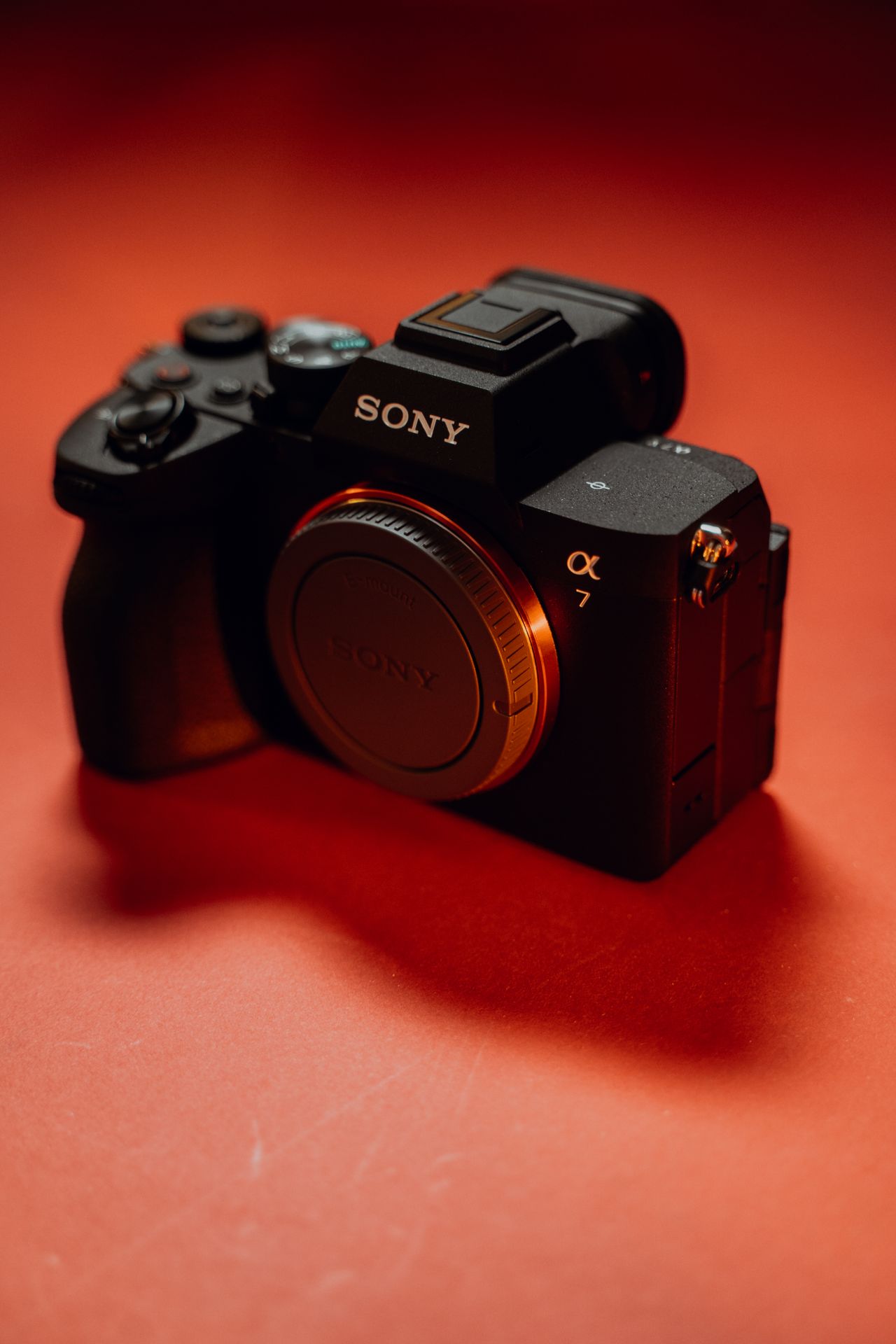
Sony Alpha 7 IV review: Photography powerhouse or just catching up to competition? Sony A7 III vs A7 IV
Table of Contents
Finding a full-frame mirrorless camera that balances razor-sharp autofocus, outstanding image detail, and reliable handling isn’t easy. The Sony Alpha 7 III was a game-changer when it dropped in 2018, serving as a reliable workhorse for creators worldwide. However, its small grip, low-resolution screen, and outdated menu system left room for growth.
Enter the Sony Alpha 7 IV. With a bump in megapixels, a redesigned body, and heavy video upgrades, Sony aims to address the weaknesses of its predecessor. But is the A7 IV a must-buy, or is the trusty A7 III still the better value for your money? Let’s break it down.
1. The Legacy: Why Consider Replacing the A7 III?
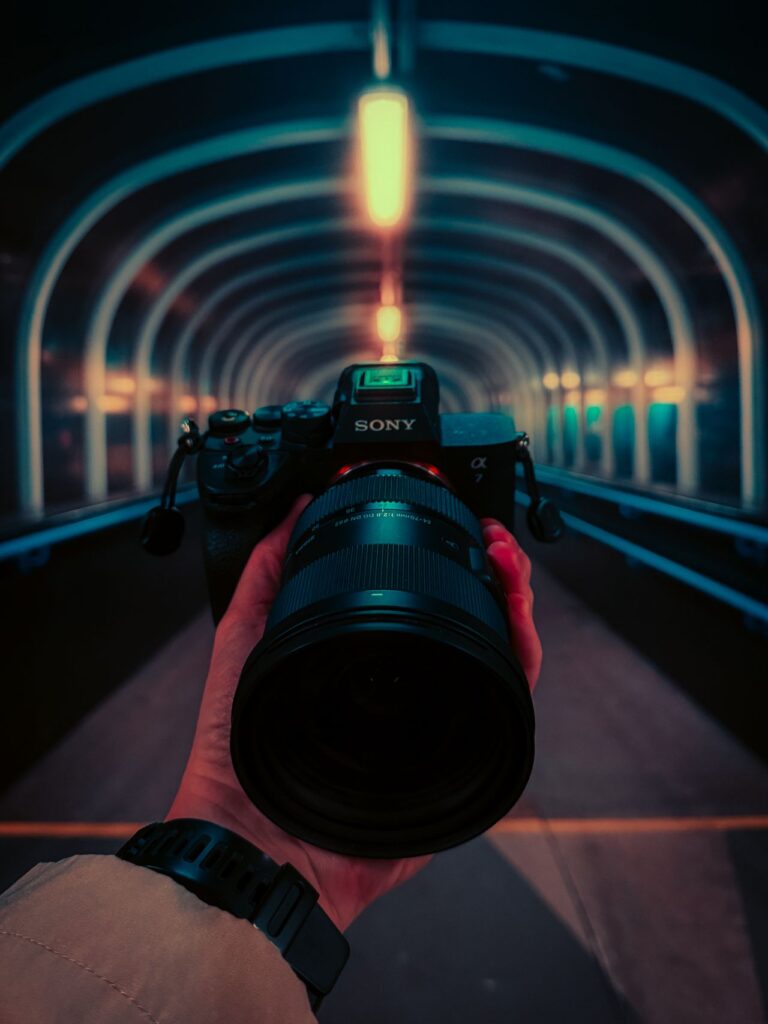
The Sony A7 III earned its status not through its exterior design, but through pure internal performance. The 24-megapixel sensor delivers exceptional low-light capability and impressive dynamic range, backed by an autofocus system that remains highly capable today.
However, using the camera long-term reveals clear physical limitations:
- Ergonomics: A small, slick grip makes handling heavy lenses tiring without an added battery grip.
- Build Features: Compact buttons and tiny control dials limit tactile feedback during fast-paced shoots.
- Displays: Both the electronic viewfinder (EVF) and LCD screen feature low resolutions by modern standards.
- Touch Functionality: Touch controls on the A7 III are limited strictly to setting focus points or zooming in on reviewed images.
Despite these handling quirks, the A7 III continues to produce high-quality images. The question is whether the operational upgrades on the newer model justify moving up.
2. Key Technological Improvements in the Sony A7 IV
| Feature | Sony A7 III | Sony A7 IV |
| Sensor Resolution | 24.2 Megapixels | 33.0 Megapixels (Exmor R CMOS) |
| Processor | BIONZ X | BIONZ XR |
| EVF Resolution | 2.36 Million dots | 3.69 Million dots (120 fps) |
| Video Recording | 4K 30p (8-bit 4:2:0) | 4K 60p (10-bit 4:2:2, Super35 crop) |
| Autofocus Tracking | Real-Time Eye AF (Human/Animal) | Real-Time AF (Human/Animal/Bird) |
| Rear Screen | Tilting Touchscreen (921k dots) | Fully Articulating Touchscreen (1.03M dots) |
| Memory Slots | Dual SD (1x UHS-II, 1x UHS-I) | Dual Slots (1x UHS-II / CFexpress Type A, 1x UHS-II) |
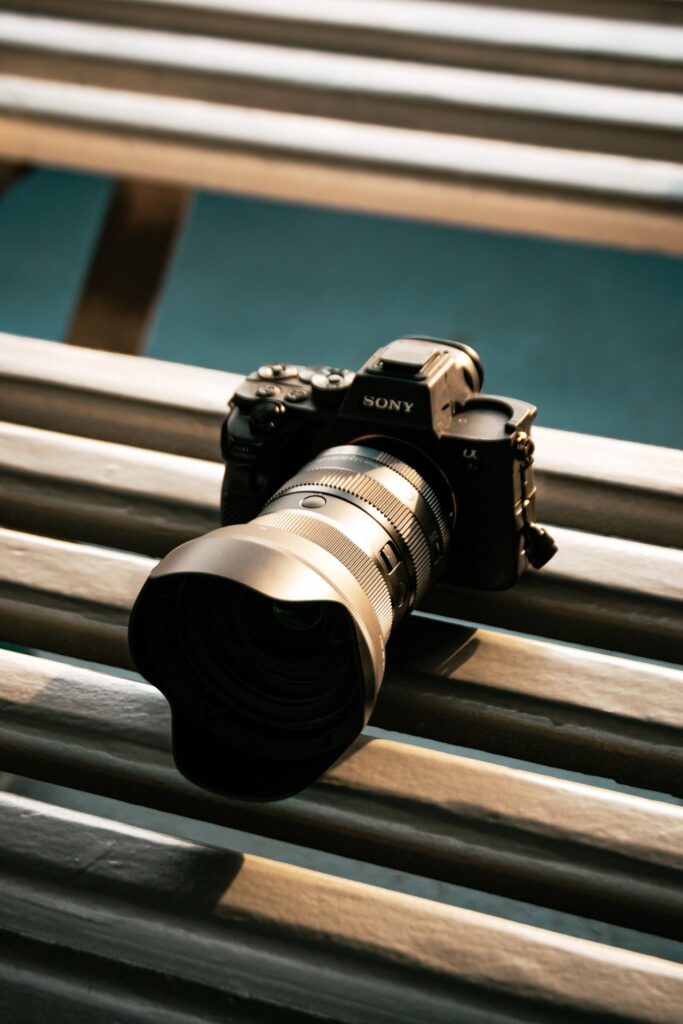
A Higher-Resolution 33MP Sensor
The move from 24MP to 33MP gives creators more detail and greater freedom to crop during post-processing. Powered by the faster BIONZ XR processor, the camera easily manages these larger file sizes.
- Continuous Shooting: Buffer capacity is significantly improved. While full-speed 10 fps bursts require compressed RAW, new options like Lossless Compressed RAW allow flexible file management at 6 fps.
- ISO & Low Light: Despite having smaller pixels, noise control remains comparable to the 24MP sensor. High-ISO grain appears slightly finer on the A7 IV, keeping high-ISO images clean and usable.
- Dust Protection: A welcome feature allows the mechanical shutter curtain to close when powered down, keeping dust off the sensor during lens changes.
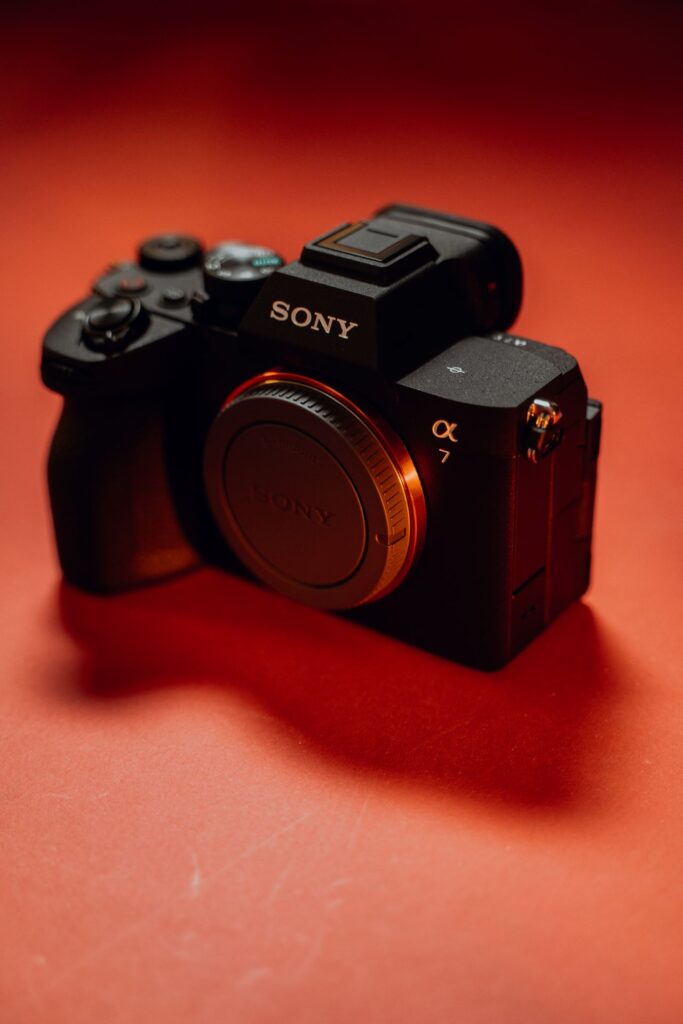
Smarter Autofocus
Building on an already strong foundation, the A7 IV adds dedicated Bird Eye AF alongside human and animal tracking. Focus acquisition is quicker, sticks better to subjects moving away from the lens, and operates in darker environments (rated down to -4 EV compared to -3 EV on the A7 III).
Expanded Video Performance
For hybrid creators who switch between stills and video, the A7 IV brings significant upgrades:
- 10-Bit Internal Recording: 10-bit 4:2:2 color depth allows for far better color grading latitude in post-production.
- 4K at 60fps: Enables smooth half-speed slow motion in 4K (note: 4K60 operates with a Super35 crop).
- No Recording Time Limit: Overcomes the standard 30-minute clip restriction found on older models.
- Physical Workflow Changes: A dedicated photo/video toggle switch sits under the mode dial, alongside a full-sized HDMI port and a top-mounted video record button.
3. Body Redesign & Daily Handling
Sony adapted much of the body design from the specialized A7S III, focusing heavily on operational comfort:
- Enhanced Grip: Deepened ergonomics give a safer, more comfortable hold during long shooting days.
- Redesigned Controls: Dials and buttons are noticeably larger, offer deeper key travel, and feel more tactile.
- Customizable Dials: The rear exposure compensation dial is now unlabelled, letting users reassign it to functions like ISO, aperture, or white balance.
- Upgraded EVF: The 3.69M-dot viewfinder with a 120Hz refresh rate makes manual focusing and tracking subjects significantly clearer.
- Revised Interface: The main menu is now color-coded and organized vertically with full touch navigation, making settings easier to find on the fly.
4. Drawbacks to Consider
While the A7 IV brings substantial upgrades, a few design choices may not suit every workflow:
- Fully Articulating Screen vs. Tilting Screen: The side-flipping screen is ideal for video creators and self-recording, but photographers who shoot quickly from hip or ground height may find simple tilt screens faster and more intuitive.
- LCD Resolution: Although touch menu navigation is added, the LCD resolution (1.03M dots) represents only a slight step up over older hardware.
- Super35 Crop on 4K60: Shooting 4K video at 60 frames per second forces a focal length crop, requiring wider lenses for narrow spaces.
Final Verdict: Which Camera Should You Choose?
- Choose the Sony A7 III if: You are primarily a portrait or landscape photographer on a budget. If you don’t require high-end video specs, extreme cropping flexibility, or heavy AF tracking for fast action, the A7 III remains one of the best value full-frame cameras available.
- Choose the Sony A7 IV if: You are a hybrid creator who relies on professional video tools (10-bit recording, 4K60, full-size HDMI), require advanced bird/wildlife tracking, or simply want a far more refined physical shooting experience with deeper grips and better menus.