

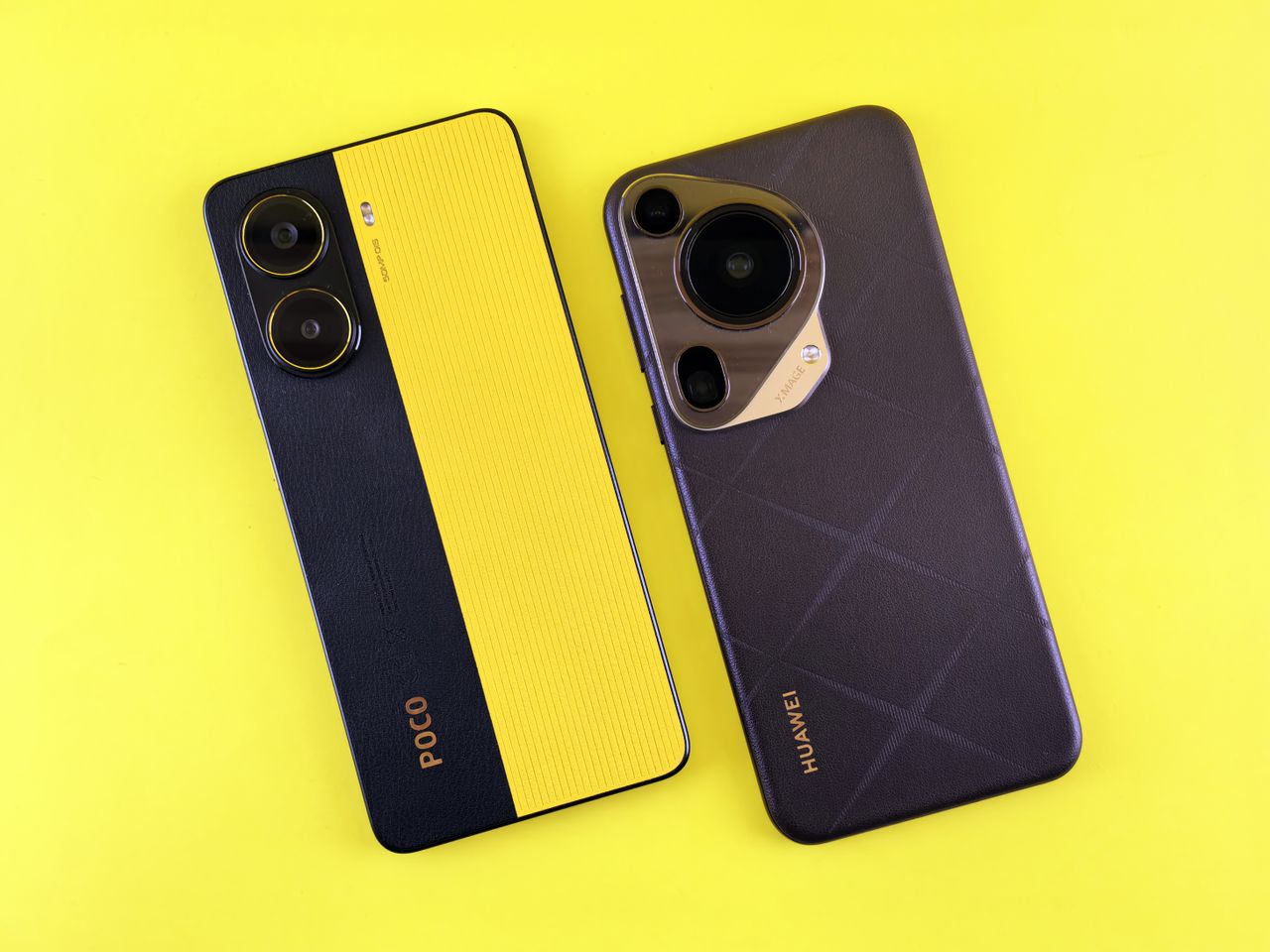
Xiaomi Poco F6 Pro Review: Mixed value
Table of Contents
Xiaomi Poco F6 Pro In-Depth Review: A Complicated Value Proposition
The hardware packed inside the Xiaomi Poco F6 Pro offers incredible bang for your buck—until it hits a few frustrating speed bumps. It is a device that brings top-tier performance to a lower price bracket, but it also forces some compromises that leave us with highly mixed emotions.
Quick Verdict
Score: 3/5
- The Good: Unbeatable processing power for the price, vibrant and remarkably bright AMOLED screen, and reliable all-day battery endurance.
- The Bad: Heavy bloatware out of the box, an average camera setup lacking a telephoto lens, no eSIM support, and no included wall charger in the local Australian retail packaging.
The New Landscape for Xiaomi Fans
Historically, snagging a Xiaomi smartphone down under meant navigating the grey market. Buyers had to cross their fingers regarding local network compatibility and cross-border warranty support. That hassle is officially over. A local distributor, operating as Xiaomi Tech, has officially brought the brand to local shelves—starting with the budget-friendly Redmi lineup and expanding into the performance-focused Poco series.
The Poco F6 Pro sits right at the border of premium mid-range and true flagship territory, retailing locally for $999 AUD. While it punches far above its weight class in sheer speed, it cuts corners in areas that might cause some buyers to think twice. It is also worth noting that international versions float around online for less, though the local distributor points out that official Australian stock guarantees a local warranty, full regional 5G band optimization, and active NFC.
Design and Build Quality
The centerpiece of the Poco F6 Pro is its gorgeous 6.67-inch 120Hz AMOLED display. Boasting a sharp 3200×1440 resolution, the screen is highly legible even under intense midday sun. While marketing materials boast an astronomical 4,000 nits peak brightness, real-world high-brightness mode sits closer to a still-excellent 1,200 nits.
Key Design Specs
- Weight: 209 grams (noticeably heavy and substantial in the hand)
- Colors: Available in Black or White (featuring an iridescent, marble-like finish)
- Materials: Premium aluminum frame with a quad-curved glass back
The back glass panel flows into a large, prominent block housing the triple-lens camera array. Because the glass back is quite slick, the phone can easily slip from your grip. Xiaomi thoughtfully includes a protective cover in the box, though it is an unappealing, basic matte case. You will likely want to jump on Amazon immediately to find a cleaner, clear case alternative.
Physical interaction relies on a responsive, under-display optical fingerprint scanner. The bottom houses a dual Nano-SIM tray, but unfortunately, there is no eSIM capability. Furthermore, water resistance is a weak point. While some global sources hint at a basic IP54 splash protection rating, the official local spec sheet makes no promises. Keep this phone far away from the pool.
Camera Performance: A Mixed Bag
When a smartphone knocks on the door of the $1,000 price point, expectations for the camera run high. The Poco F6 Pro delivers a bizarrely asymmetrical sensor lineup that feels stuck between 2024 and 2022:
- Main Sensor: 50MP wide with Optical Image Stabilization (OIS)
- Ultra-Wide: 8MP sensor
- Macro: 2MP sensor (of highly questionable utility)
- Selfie: 16MP front-facing lens
Zoom Dynamics
There is no dedicated telephoto hardware here. Instead, zoom duties rely entirely on digital cropping up to 10x. While daylight photos at 1x and 2x look crisp and perfectly acceptable for social media, pushing the digital crop past that point results in muddy, pixelated images.
Low-Light Capabilities
When the sun goes down, the phone relies heavily on aggressive AI post-processing algorithms to artificially lift exposure and inject color into dark scenes. The strategy mimics early Google Pixel tactics: it pulls out impressive hidden details in near-total darkness, but it heavily oversaturates the image, creating an unrealistic, almost artificial color cast.
Additionally, the software layout is puzzling. The toggle for the 2MP macro lens isn’t located in the main camera carousel; instead, it is hidden inside a drop-down settings panel. When you finally locate it, the results are standard fare for a tiny 2MP sensor—soft and difficult to focus. If photography is your primary metric, competitors like the Google Pixel 8a offer a much more balanced, natural-looking package.
Performance and HyperOS Software
This is where the Poco F6 Pro redeems itself. Under the hood is the Qualcomm Snapdragon 8 Gen 2—the powerhouse chipset that drove flagship phones just a generation prior. Paired with 12GB of LPDDR5X RAM and 256GB of fast UFS 4.0 storage (note: no microSD expansion), this phone is an absolute speed demon.
In both CPU and GPU benchmarks, the F6 Pro utterly destroys almost every mid-range competitor in its price bracket. Gaming is fluid, multitasking is instantaneous, and the phone handles heavy thermal loads remarkably well thanks to its upgraded cooling system. Xiaomi promises 2 major Android version upgrades and 3 years of security patches, which lags slightly behind the long-term support offered by Samsung or Google.
The Bloatware Problem
The raw hardware excellence faces a major roadblock: HyperOS. Built over Android 14, Xiaomi’s heavily customized skin introduces a steep learning curve for users accustomed to stock Android.
The biggest offense is the sheer volume of pre-installed unwanted software. While most brands bundle three or four third-party apps, the Poco F6 Pro comes loaded with over 20 pieces of bloatware and mobile games. From a data-tracking video player to a custom app store that constantly bugs you with notifications to download trending games, cleaning up the user interface takes significant configuration. While you can manually delete or disable most of it, you shouldn’t have to jump through these hoops on a premium device.
Battery Life and Charging Speeds
Equipped with a 5,000mAh battery, the phone effortlessly cruises through a full day of heavy usage. In standardized video playback testing, the efficient Snapdragon architecture helps the device outlast many rivals, proving that its hefty 209g footprint at least delivers excellent longevity.
The phone natively supports a blistering 120W fast-charging protocol. However, local buyers face a frustrating catch: no wall adapter is included in the Australian box. To access those extreme speeds, you must purchase a compatible fast charger separately. Wireless charging (Qi/Qi2) is also completely missing from the spec sheet, which is a disappointing omission at this price level.
Final Thoughts
The Xiaomi Poco F6 Pro is a fascinating study in compromises. If your priority is maximum processing power, an elite display for gaming, and long-lasting battery life, it represents incredible performance-per-dollar.
However, if you want clean software, wireless charging, robust waterproofing, and an elite camera system, the software bloat and ordinary secondary lenses make it a tough sell over more rounded mid-range alternatives.