

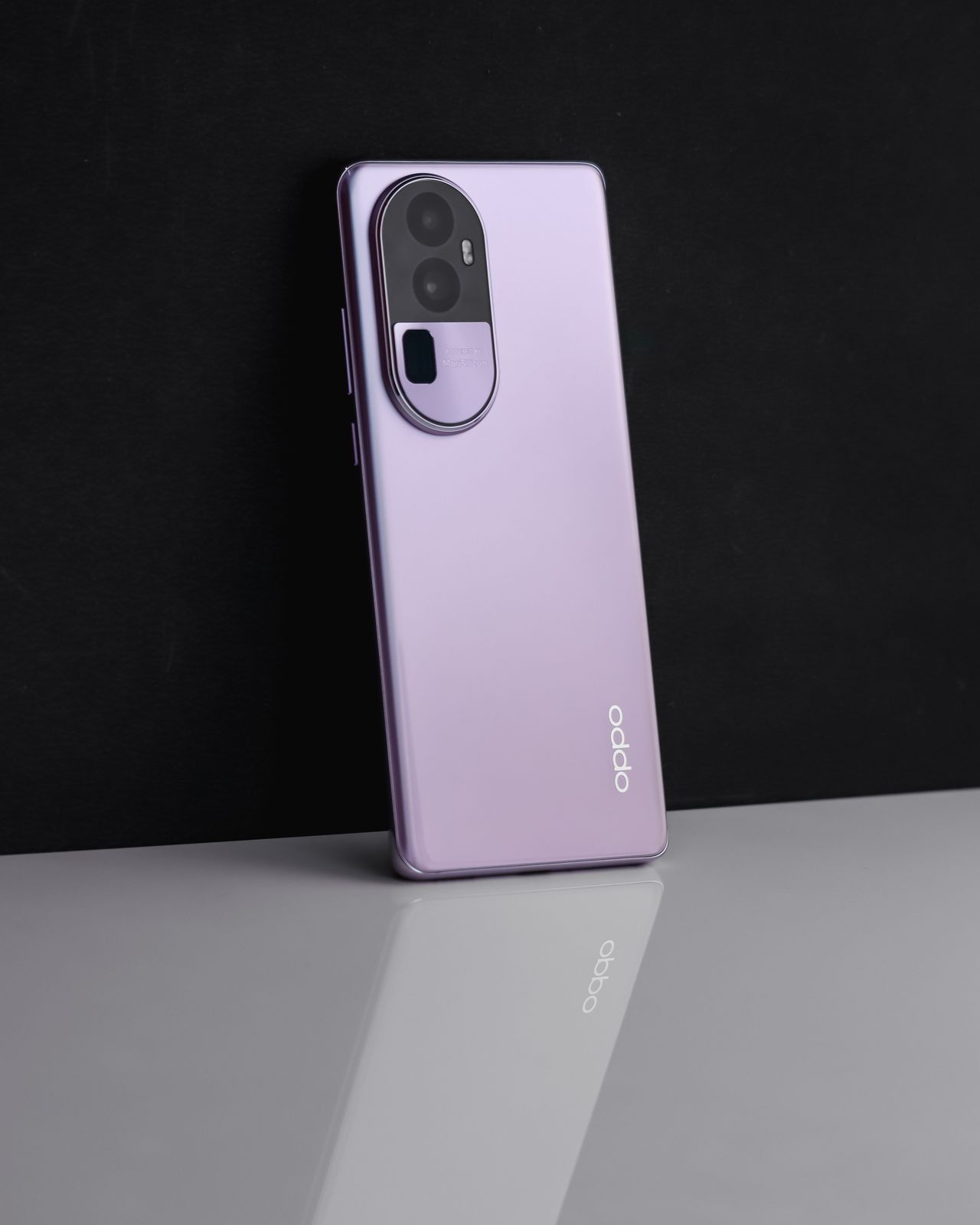
Xiaomi Poco F7 Ultra Review: Powerful phone at a not-quite-flagship price Xiaomi Poco F7(maybe)
Table of Contents
Poco F7 Ultra Review: Top-Tier Power with a Few Mid-Range Compromises
The Poco F7 Ultra presents an intriguing proposition. It pairs Qualcomm’s flagship silicon with a highly competitive expected price point, offering a massive dose of performance for those who don’t want to stretch their budget to true premium flagships. However, to hit that attractive cost-to-performance ratio, a few corners had to be cut.
Quick Verdict
- Performance vs. Value: Exceptional raw power for the estimated sub-flagship pricing.
- Hardware Strengths: Vibrant display options, solid day-to-day battery life, and highly customizable refresh rates.
- The Compromises: Bloated software out of the box, an unconfirmed software update timeline, and missing premium connectivity features like eSIM.
Final Score: 3.5 / 5
Hardware and Design
The foundation of the device is a 6.67-inch 120Hz AMOLED panel boasting a sharp 3200×1440 resolution. To preserve battery life, the software scales this down to 2400×1080 right out of the box, requiring a trip to the settings menu if you want the full pixel density.
Where the device truly stands out is its refresh rate versatility. Instead of limiting users to basic toggles or a standard auto mode, the interface allows for custom, per-app refresh rate configurations—a welcome level of granularity.
+-------------------------------------------------------------+
|                       POCO F7 ULTRA                         |
+------------------------------+------------------------------+
| DISPLAY                      | 6.67" AMOLED, 120Hz, 2K      |
| CHIPSET                      | Snapdragon 8 Elite           |
| RAM / STORAGE OPTIONS        | 12GB/256GB or 16GB/512GB     |
| DURABILITY                   | IP68 Water & Dust Resistant  |
+------------------------------+------------------------------+
The device is heavily inspired by Chinese market flagships (specifically resembling the Redmi K80 framework). This brings unique benefits, such as an integrated IR blaster for controlling home appliances. However, it also means regional trends dictate the connectivity suite: you get dual physical Nano-SIM slots, but no eSIM compatibility and no microSD expansion slot.
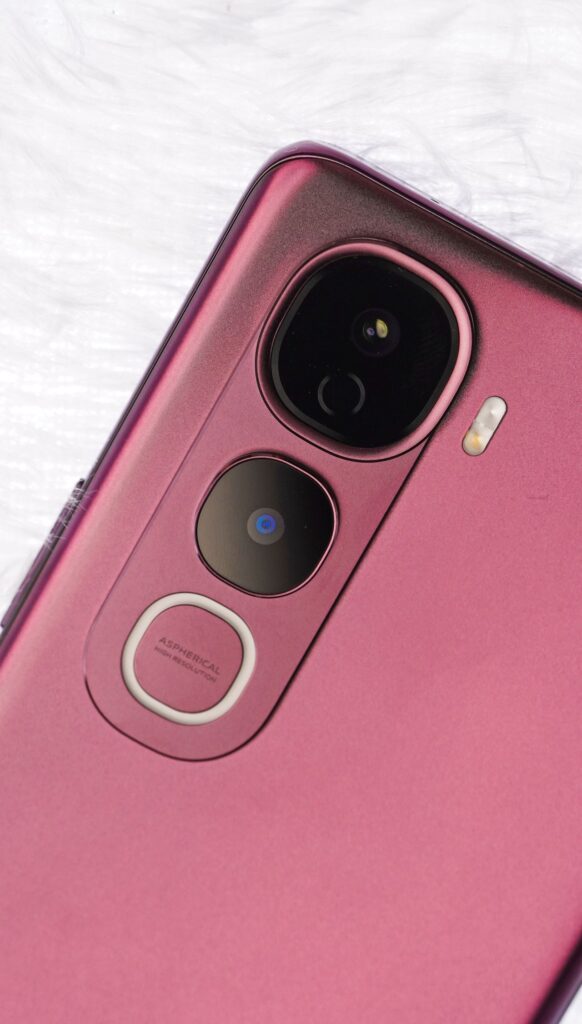
Camera Capabilities
The camera array matches the expectations of the upper-mid-range tier, utilizing a triple-sensor configuration on the rear:
- Main: 50MP Wide lens
- Ultra-Wide: 32MP (120° Field of View)
- Telephoto: 50MP (2.5x Native Optical Zoom)
In optimal daylight conditions, the main and telephoto lenses produce crisp images with strong detail retention. The native 2.5x zoom handles macro-style close-ups quite well, and the portrait mode offers clean edge separation, even if the background blur leans a bit too aggressive by default.
However, things degrade as lighting drops. The ultra-wide sensor struggles in low-light environments, showcasing clear visual noise. Furthermore, the hybrid digital zoom—which the software allows you to push all the way to 60x—suffers from heavy digital artifacting at extreme focal lengths, making it more of a novelty than a practical tool.
Performance and Software Intrigue
Equipped with the Snapdragon 8 Elite, this handset undercuts the pricing of rival devices like the Samsung Galaxy S25 Ultra while delivering highly competitive computational and graphics performance.
The Benchmark Anomaly
During testing, an unusual software behavior was observed. For the first few weeks of evaluation, the device consistently blocked the 3DMark benchmarking suite from running, falsely reporting network errors while other applications connected perfectly. This restriction eventually lifted without an app update, pointing toward a temporary firmware-level block intended to prevent pre-launch data leaks. While performance is excellent once running, gatekeeping app access at a system level remains a frustrating practice.
OS and Bloatware
The phone ships with HyperOS 2 built on top of Android 15. The skin is a major departure from a clean Android experience, requiring a learning curve to navigate system permissions and settings.
The software environment is also cluttered:
- Pre-installed promotional apps (like Booking.com and WPS Office) occupy storage immediately after setup.
- Alongside Google Play, Xiaomi includes its own App Mall, which is heavily populated with low-tier software and shovelware. Users are highly encouraged to stick to Google’s official storefront to minimize privacy and security risks.
- At the time of review, future OS upgrade commitments remain entirely unconfirmed, and the device was lagging behind on past security patches.
Battery Life and Charging
The device houses a 5,300mAh battery cell. Interestingly, this capacity is actually smaller than its lower-cost sibling, the Poco F7 Pro (which utilizes a 6,000mAh battery), but optimization keeps it highly competitive.
In a standard continuous video playback test, the phone comfortably cleared the three-hour mark with minimal drain, easily proving capable of powering through a standard workday under normal workloads.
[Battery Capacity: 5,300mAh]
 Wires: Up to 150W Fast Charging
 Wireless: Up to 50W Fast Charging
(Note: Packed-in high-wattage chargers may vary by region due to localized electrical certifications; generic Power Delivery (PD) bricks up to 65W charge the device safely without incident).
Final Thoughts
From a pure component perspective, the hardware is incredibly compelling. It delivers top-tier processing speeds and a gorgeous display at a price that challenges traditional premium flagships. The ultimate trade-off lies entirely in the user experience: if you don’t mind navigating a heavily skinned, bloat-heavy OS and can look past the vague long-term software support window, the raw performance per dollar is hard to beat.